Mastering Digital Decluttering: 4-Week Plan for 2026 Focus

Mastering digital decluttering involves a systematic, multi-week approach to organize digital files, manage notifications, curate online subscriptions, and establish healthy screen time habits, ultimately leading to a more focused and intentional online presence in 2026.
Are you feeling overwhelmed by the constant digital noise and endless notifications? It’s time to take back control. This comprehensive digital decluttering plan offers a structured 4-week journey to transform your online life, helping you achieve greater focus and peace in 2026.
Understanding the Digital Overload in 2026
In our increasingly interconnected world, the sheer volume of digital information, notifications, and subscriptions can quickly become overwhelming. What once promised convenience now often delivers constant distraction, impacting our productivity, mental well-being, and even our relationships. Understanding the roots of this digital overload is the first step toward reclaiming your focus.
By 2026, our digital footprint has expanded exponentially. From cloud storage filled with forgotten files to email inboxes overflowing with unread messages, and social media feeds demanding constant attention, the digital realm often mirrors a cluttered physical space. This constant influx of data taxes our cognitive resources, leading to decreased attention spans and increased stress levels. Recognizing these symptoms is crucial for initiating change.
The Impact of Constant Connectivity
The always-on culture has blurred the lines between work and personal life, making it difficult to truly disconnect. This persistent connection, while offering benefits, also fosters a sense of urgency and the fear of missing out (FOMO), driving us to check our devices incessantly. The cumulative effect is a fragmented attention span and a diminished capacity for deep work or sustained focus.
- Reduced Attention Span: Constant task-switching and notification interruptions train our brains for short bursts of attention.
- Increased Stress and Anxiety: The pressure to respond instantly and keep up with digital trends can elevate stress levels.
- Decreased Productivity: Frequent distractions break concentration, making it harder to complete complex tasks efficiently.
- Erosion of Personal Time: Digital demands often encroach on time meant for rest, hobbies, or face-to-face interactions.
Acknowledging the pervasive nature of digital overload is not about rejecting technology, but rather about learning to master it. It’s about consciously designing a digital environment that serves your goals and well-being, rather than letting it dictate your every moment. This foundational understanding sets the stage for a successful digital decluttering journey.
Week 1: Digital Workspace and Device Optimization
The first week of your digital decluttering journey focuses on your immediate digital environment: your computer and mobile devices. Just as a clean desk promotes clear thinking, an organized digital workspace enhances productivity and reduces mental clutter. This week is all about creating a streamlined, efficient foundation.
Start by tackling your computer’s desktop. Is it covered in icons, files, and screenshots? A cluttered desktop is a visual representation of a cluttered mind. The goal here is to minimize visual noise, making it easier to find what you need and focus on the task at hand. This initial step can provide immediate relief and a sense of control.
Desktop and File System Overhaul
Begin by deleting old, unnecessary files and organizing the rest into a logical folder structure. Create a clear hierarchy for documents, photos, and downloads. Consider using cloud storage solutions for backup and accessibility, but ensure those platforms are also well-organized. The key is to establish a system you can easily maintain moving forward.
- Delete Unused Files: Be ruthless with old downloads, duplicate documents, and temporary files.
- Create a Logical Folder Structure: Use clear, consistent naming conventions for your folders (e.g., ‘Projects_2026’, ‘Personal_Docs’, ‘Photos_Archive’).
- Empty the Recycle Bin/Trash: Make deletion permanent to free up space and mental burden.
- Optimize Downloads Folder: Process items in your downloads folder daily or weekly, moving them to their permanent location or deleting them.
Next, turn your attention to your mobile devices. Our smartphones are often the biggest culprits of digital clutter and distraction. From countless apps to a disorganized photo gallery, these devices can quickly become sources of constant interruption. This week, we’ll aim to transform them into tools that empower, rather than overwhelm.
Mobile Device Streamlining
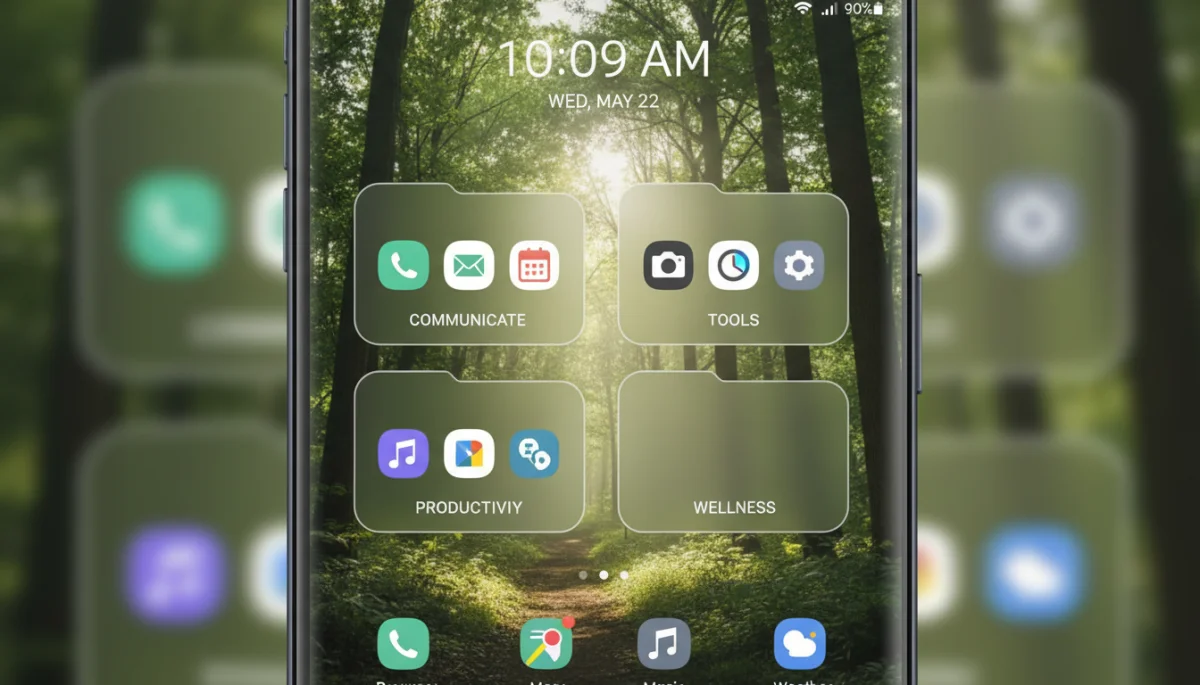
Review every app on your smartphone and tablet. Ask yourself when you last used it and whether it genuinely adds value to your life. Delete apps you no longer use or those that contribute to mindless scrolling. For essential apps, organize them into intuitive folders on your home screen. Consider limiting the number of apps visible on your primary home screen to only the most crucial ones.
Beyond apps, tackle your photo and video galleries. These often become digital hoards, filled with duplicates and blurry shots. Dedicate time to delete unnecessary media and organize the rest into albums. This not only frees up storage but also makes it easier to relive cherished memories without sifting through digital junk. By the end of Week 1, your primary digital tools should feel lighter, faster, and more aligned with your productivity goals.
Week 2: Email and Notification Management
As we move into Week 2, our focus shifts to two of the biggest sources of daily digital overwhelm: email and notifications. These constant pings and demands for attention can severely disrupt concentration and create a perpetual sense of urgency. Mastering these areas is crucial for regaining control of your digital life and fostering sustained focus.
Email inboxes, for many, have become digital black holes—a place where important communications get lost amidst newsletters, promotional offers, and spam. The goal this week is not just to clear your inbox, but to establish a sustainable system that keeps it manageable moving forward, reducing decision fatigue and ensuring you only see what truly matters.
Taming the Email Beast
Start by unsubscribing from every newsletter and promotional email that no longer serves you. Be ruthless. If you haven’t opened it in months, or if it doesn’t provide direct value, hit that unsubscribe button. For emails you want to keep but don’t need immediately, set up filters and folders to automatically categorize them. Implement the ‘four D’s’ for every email: Delete, Do, Delegate, or Defer.
- Unsubscribe Aggressively: Use services like Unroll.me or manually click ‘unsubscribe’ on unwanted emails.
- Create Smart Folders and Filters: Automatically sort emails from specific senders or with certain keywords into designated folders.
- Practice Inbox Zero (or Inbox Minimal): Aim to process all emails daily, leaving only what requires action.
- Schedule Email Checks: Instead of constantly checking, dedicate specific times each day to process your inbox.
Notifications are another significant drain on our attention. Every buzz, chime, or pop-up pulls us away from the task at hand, breaking our concentration and making it difficult to re-engage. This week, you’ll learn to become the master of your notifications, rather than their slave, creating an environment conducive to deep work and uninterrupted thought.
Notification Control and Digital Boundaries
Audit every app on your phone and computer that sends notifications. For most apps, you’ll find that only a select few truly require immediate alerts. Turn off all non-essential notifications—especially for social media, games, and news apps. Consider using ‘Do Not Disturb’ modes during work hours or family time. Establish clear digital boundaries, communicating to others when you are and not available.
This also extends to setting expectations with friends, family, and colleagues about response times. You don’t need to be instantly available 24/7. By consciously deciding which notifications you allow and when, you create space for focused work, mindful presence, and true rest. By the end of Week 2, you should experience a significant reduction in digital interruptions, leading to a calmer and more productive day.
Week 3: Social Media and Online Content Curation
Week 3 delves into the often-addictive realm of social media and online content consumption. While these platforms offer connection and information, they can also be massive time sinks and sources of comparison anxiety. This week’s goal is to transform your online feeds into sources of inspiration and genuine connection, rather than endless scrolls of distraction.
Many of us fall into the trap of passively consuming content, letting algorithms dictate what we see. This can lead to feeling overwhelmed, misinformed, or simply wasting valuable time. This week, we’ll adopt a proactive approach, curating our digital diets with the same care we give to our physical diets, ensuring what we consume is nourishing and purposeful.
Mindful Social Media Engagement
Begin by auditing your social media accounts. Unfollow accounts that no longer inspire you, make you feel inadequate, or consistently share negative content. Mute groups or individuals that are high-volume or low-value. The aim is to create a feed that is positive, informative, and aligned with your interests and values. Consider unfollowing anyone you don’t genuinely know or whose content doesn’t enrich your life.
- Unfollow and Mute: Ruthlessly prune your following lists across all platforms.
- Limit Platform Access: Delete social media apps from your phone and only access them via a web browser during specific times.
- Set Time Limits: Use built-in app limits or third-party tools to restrict daily usage.
- Engage Actively, Not Passively: Instead of endless scrolling, use social media for specific purposes like connecting with friends or learning.
Beyond social media, consider how you consume news, blogs, and other online content. Are you subscribed to dozens of newsletters you never read? Do you have countless tabs open with articles you intend to read ‘someday’? This passive accumulation of information can be just as overwhelming as a cluttered physical space.
Curating Your Digital Information Diet
Unsubscribe from newsletters that don’t provide immediate, actionable value. Use a ‘read-it-later’ app (like Pocket or Instapaper) for articles you genuinely want to read, and schedule dedicated time to go through them. Be intentional about your news sources, opting for a few reputable outlets rather than constantly checking every headline. The goal is to be informed, not inundated.
By consciously choosing what enters your digital sphere, you reduce the noise and free up mental bandwidth for more important activities. This week is about shifting from being a passive recipient of online content to an active curator, ensuring your digital diet fuels your growth and well-being. By the end of Week 3, your online feeds should feel more intentional and less overwhelming.
Week 4: Establishing Sustainable Digital Habits
As we enter the final week of our digital decluttering journey, the focus shifts from decluttering existing digital spaces to building sustainable habits that prevent future clutter and maintain your newfound focus. This week is about integrating the changes you’ve made into your daily routine, creating a lasting framework for a more intentional digital life.
True digital well-being isn’t a one-time clean-up; it’s an ongoing practice. The habits you cultivate this week will serve as your defense against the inevitable pull of digital distractions, ensuring that your digital environment remains a tool for empowerment rather than a source of stress. This requires conscious effort and consistent practice.
Implementing Digital Boundaries and Routines
One of the most effective ways to maintain digital clarity is by establishing clear boundaries. This includes setting specific times for checking email, engaging with social media, and consuming news. Avoid bringing devices into the bedroom, creating a sacred space for rest and relaxation. Implement ‘digital detox’ periods, even if just for a few hours each day or a full day once a week.
- Designate Tech-Free Zones: Keep bedrooms, dining tables, and certain social gatherings free of devices.
- Schedule Digital Breaks: Take short breaks away from screens throughout the day to rest your eyes and mind.
- Implement a Digital Sunset: Stop using screens an hour or two before bedtime to improve sleep quality.
- Practice Mindful Device Use: Before picking up your phone, pause and ask yourself, ‘Why am I doing this?’ and ‘What is my intention?’
Beyond setting boundaries, cultivate routines that support your digital well-being. This could involve a daily ‘digital tidy-up’ where you clear your downloads folder, respond to urgent emails, and organize new files. Regularly review your app usage and notification settings. The key is to make these practices a natural, effortless part of your day, preventing digital clutter from accumulating.
Review and Refinement: Your Ongoing Digital Journey
Digital decluttering is not a destination but a continuous journey. Schedule quarterly reviews of your digital habits, subscriptions, and file organization. Technology evolves, and so should your approach to managing it. Be flexible, adapt to new tools, and always prioritize what truly serves your well-being and productivity. This ongoing refinement ensures your digital life remains optimized for focus and peace.
By the end of Week 4, you will have not only decluttered your digital world but also developed the habits and mindset to maintain that clarity. You’ll experience increased focus, reduced stress, and a greater sense of control over your time and attention. This intentional approach to your digital life will empower you to thrive in 2026 and beyond.
| Key Week | Focus Area & Goal |
|---|---|
| Week 1 | Digital Workspace: Optimize computer and mobile devices for efficiency. |
| Week 2 | Email & Notifications: Tame inbox and control alerts for fewer interruptions. |
| Week 3 | Social Media & Content: Curate online feeds for mindful consumption. |
| Week 4 | Sustainable Habits: Establish routines and boundaries for lasting digital wellness. |
Frequently Asked Questions About Digital Decluttering
Digital decluttering is the process of organizing, minimizing, and optimizing your digital environment. In 2026, it’s crucial because our lives are increasingly digital, and a cluttered online space leads to reduced focus, increased stress, and decreased productivity. It helps reclaim control over your attention and time.
While initial efforts can yield quick results, a comprehensive digital decluttering process like this 4-week plan allows for systematic changes across all digital aspects. The actual time commitment varies, but dedicating 30-60 minutes daily or a few hours weekly can lead to significant, lasting improvements.
Immediate benefits include a clearer mind, reduced anxiety from constant notifications, improved focus on tasks, and a greater sense of control over your time. You’ll also likely experience increased device performance, less digital fatigue, and more time for offline activities and personal reflection.
Maintaining digital order requires consistent habits. Regularly review your subscriptions, delete unused apps, organize new files promptly, and set daily digital boundaries. Schedule periodic ‘digital check-ups’ to reassess your needs and adjust your strategies, ensuring long-term digital wellness.
Not necessarily. While a temporary break can be beneficial, the goal is often mindful usage, not complete abstinence. Digital decluttering encourages you to curate your feeds, set time limits, and engage intentionally, transforming social media into a tool that serves you rather than distracts you.
Conclusion
Embarking on a 4-week digital decluttering journey is more than just organizing files; it’s an investment in your mental clarity, productivity, and overall well-being. By systematically tackling your digital workspace, managing communications, curating your online content, and establishing sustainable habits, you reclaim precious focus and time. This structured approach empowers you to navigate the digital landscape of 2026 with intention, ensuring technology serves as an enabler for a more fulfilling and less distracted life.