Digital Wellness in 2026: Apps & Practices for Mental Health
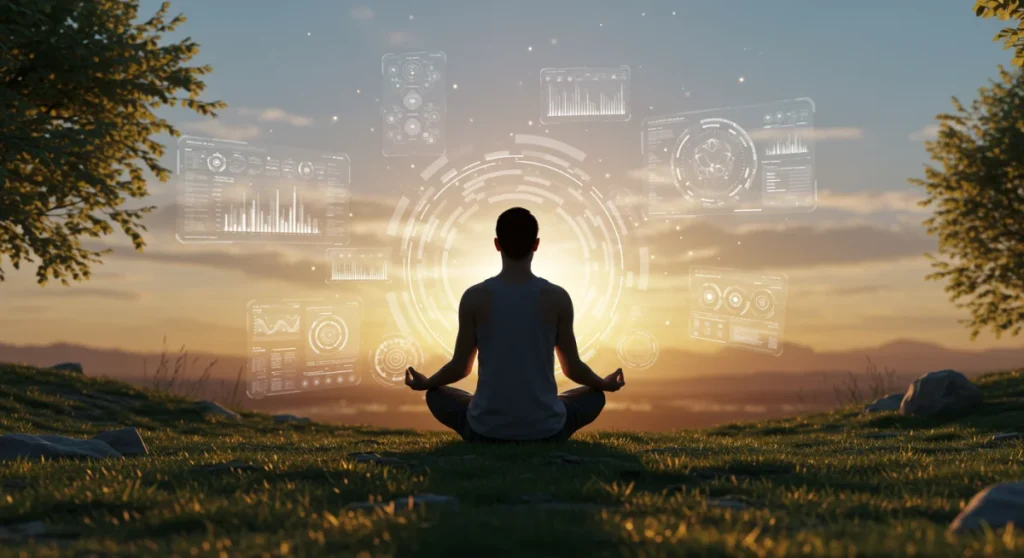
In an increasingly interconnected world, understanding and implementing practices for digital wellness 2026 is not just a recommendation, but a necessity for safeguarding our mental health. This guide explores the latest trends and tools designed to help you navigate the digital landscape with greater peace of mind.
Understanding the Evolving Digital Landscape of 2026
The year 2026 presents a digital environment far more integrated into our daily lives than ever before. From advanced AI companions to pervasive augmented reality experiences, the lines between our physical and digital existences continue to blur. This evolution, while offering unprecedented convenience and connectivity, also introduces new challenges to our mental well-being, demanding a proactive approach to digital wellness.
Our interaction with technology is no longer confined to specific devices or times; it is an ambient presence. Smart homes anticipate our needs, wearable tech monitors our every physiological response, and social platforms offer hyper-personalized content streams. While these innovations promise efficiency and engagement, they can also contribute to information overload, comparison culture, and a constant pressure to be ‘on.’ Recognizing these shifts is the first step toward building resilience in this hyper-digital age.
The Rise of Ambient Technology and Its Impact
Ambient technology, characterized by its seamless integration and often invisible operation, is a hallmark of 2026. Devices and services learn our patterns, predict our desires, and present information without explicit prompts. This can lead to a sense of constant surveillance or an inability to fully disconnect, even when attempting to unwind. The psychological toll of always being ‘available’ or ‘monitored’ can manifest as increased stress and anxiety.
- Constant Connectivity: Wearables and smart devices ensure we’re never truly offline.
- Information Overload: AI-driven feeds deliver endless content, making it hard to disengage.
- Blurred Boundaries: Work and personal life often merge due to pervasive digital tools.
To mitigate these effects, individuals must develop conscious strategies to reclaim their agency. This includes setting clear boundaries with technology, understanding the data being collected, and intentionally choosing when and how to engage with digital platforms. Digital wellness in 2026 is about intelligent interaction, not just avoidance.
The Mental Health Imperative: Why Digital Wellness Matters More Than Ever
The accelerating pace of technological advancement in 2026 has made digital wellness an urgent mental health imperative. The constant influx of notifications, the pressure to maintain an online persona, and the addictive design of many platforms can significantly impact our cognitive function, emotional regulation, and overall psychological well-being. Ignoring these impacts is no longer an option; proactive strategies are crucial.
Mental health professionals are increasingly recognizing digital strain as a distinct factor in conditions such as anxiety, depression, and chronic stress. The fear of missing out (FOMO) has evolved, now encompassing not just social events but also critical information or professional opportunities perceived to exist only online. This creates a perpetual state of low-level anxiety that can erode mental resilience over time.
Combatting Digital Burnout and Cognitive Overload
Digital burnout is a growing concern, characterized by exhaustion, cynicism, and reduced efficacy resulting from excessive digital engagement. Symptoms often include irritability, difficulty concentrating, and a diminished sense of accomplishment. Cognitive overload, a related issue, arises when the brain is overwhelmed by too much information, leading to impaired decision-making and memory.
- Recognizing Symptoms: Identifying early signs like fatigue, irritability, and poor sleep.
- Setting Boundaries: Establishing clear times and spaces for digital disengagement.
- Mindful Consumption: Being intentional about what content is consumed and why.
Addressing these issues requires a multi-faceted approach that combines personal discipline with the strategic use of tools designed to support digital well-being. It’s about cultivating a healthier relationship with technology, one that empowers rather than exhausts us. Prioritizing mental health in the digital sphere ensures we can harness technology’s benefits without succumbing to its potential drawbacks.
Top 7 Apps for Enhanced Digital Wellness in 2026
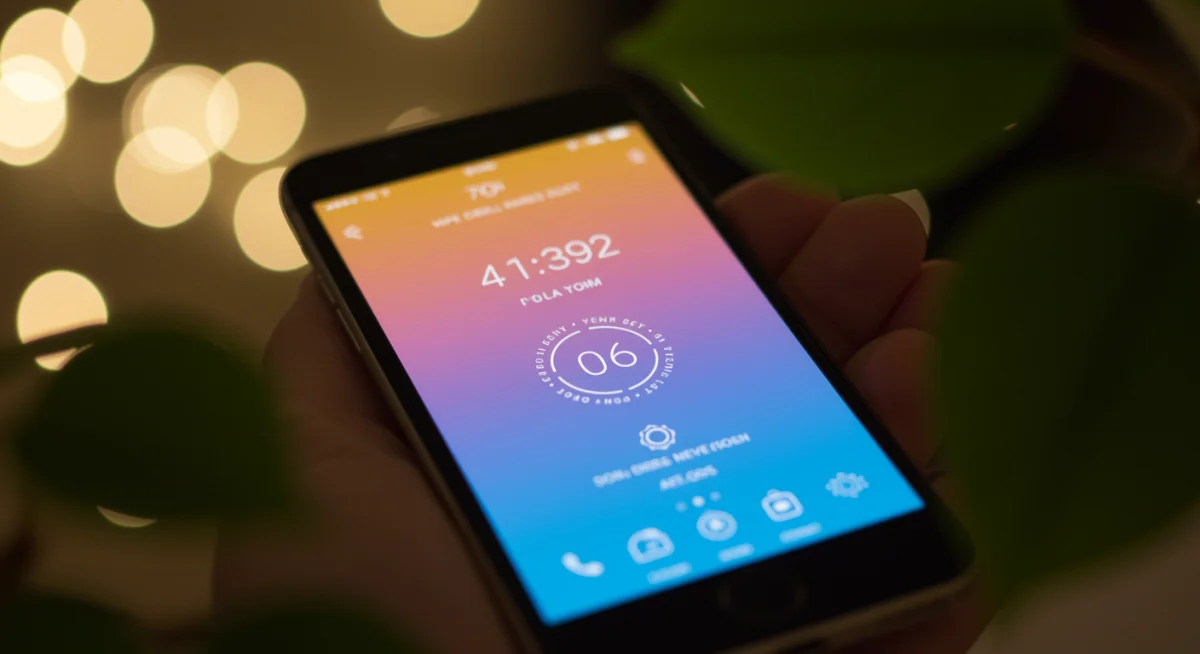
In 2026, technology itself offers powerful solutions to the challenges it creates. A new generation of apps is emerging, specifically designed to help users cultivate healthier digital habits and protect their mental well-being. These tools go beyond simple screen time trackers, offering sophisticated features for mindfulness, focus, and digital detox.
Choosing the right apps can be transformative, turning your smartphone from a source of distraction into a powerful ally for mental clarity. The key lies in selecting tools that align with your specific needs and integrate seamlessly into your daily routine without adding further complexity.
Featured Digital Wellness Applications
Here are seven leading applications that are setting the standard for digital wellness in 2026:
- MindfulFlow AI: This app uses AI to analyze your digital activity and suggest personalized breaks, meditation exercises, and focus blocks. It learns your peak productivity times and gently nudges you towards mindful disengagement when needed.
- FocusSphere: A comprehensive focus tool that employs gamification to help you stay on task. Users grow a virtual plant or build a digital city by maintaining focus, with distractions causing setbacks. It integrates with popular work tools to block notifications during deep work sessions.
- Digital Detox Hub: Beyond a simple timer, this app offers guided digital detox challenges, from short hourly breaks to weekend-long disconnects. It provides offline activity suggestions and a supportive community forum.
- MoodMapper 3.0: An advanced mood tracking app that correlates your emotional states with your digital usage patterns. It uses subtle prompts to help you identify triggers and develop healthier online habits, offering actionable insights rather than just data.
- Zenith Connect: Designed for managing social media overload, Zenith Connect allows you to curate personalized feeds, filter out triggering content, and schedule ‘social media-free’ periods. It emphasizes meaningful connections over endless scrolling.
- ScreenSense: This app goes beyond basic screen time reporting. ScreenSense provides detailed analytics on how you interact with different apps, highlighting ‘mindless scrolling’ versus ‘purposeful use.’ It offers personalized goals for reducing unproductive screen time.
- Soundscapes for Sleep & Focus: Leveraging biofeedback and adaptive sound technology, this app generates personalized sound environments to aid sleep, concentration, or relaxation. It integrates with health trackers to optimize sound based on your real-time physiological data.
These applications represent the forefront of digital wellness technology, offering innovative ways to manage our relationship with the digital world. By strategically incorporating them into our lives, we can regain control and foster a more balanced mental state.
Essential Practices for a Healthier Online Presence
Beyond specific apps, cultivating digital wellness in 2026 requires adopting fundamental practices that reshape our interaction with technology. These practices are not about abstinence but about intentionality, ensuring that technology serves us rather than controls us. They form the bedrock of a sustainable and healthy online presence.
Integrating these habits into daily life can significantly reduce digital fatigue and enhance overall mental clarity. It’s a continuous process of calibration and self-awareness, adapting to both personal needs and the evolving digital landscape.
Implementing Mindful Digital Habits
Mindfulness, often associated with meditation, extends to our digital lives. Mindful digital habits involve being fully present and aware of our technology use, understanding its impact, and making conscious choices about engagement. This contrasts sharply with the often-unconscious scrolling and notification checking that characterizes much of modern digital interaction.
- Scheduled Digital Breaks: Designate specific times throughout the day to completely disengage from devices.
- Notification Management: Turn off non-essential notifications to reduce constant interruptions and mental alerts.
- Digital-Free Zones: Establish areas in your home, like the bedroom or dining table, where devices are not allowed.
Another crucial practice is regular digital decluttering. Just as we organize our physical spaces, our digital environments also benefit from tidying up. This means unsubscribing from unnecessary emails, unfollowing accounts that contribute to negative feelings, and deleting unused apps. A clean digital space reduces cognitive load and allows for more focused interaction.
The Role of Digital Detoxes and Boundaries
In 2026, the concept of a digital detox has matured from a niche trend to a widely recognized and essential practice for maintaining mental health. It’s not about permanently abandoning technology, but rather about intentionally stepping away to reset and re-evaluate our relationship with it. Establishing clear digital boundaries is equally vital, creating psychological and practical barriers against constant digital intrusion.
Regularly engaging in digital detoxes, even for short periods, can significantly reduce stress, improve sleep quality, and foster deeper real-world connections. These breaks allow our brains to rest from the constant stimulation and demand for attention that digital platforms often impose.
Structuring Effective Digital Boundaries
Effective digital boundaries are personalized rules that define how and when you interact with technology. These boundaries prevent digital creep from infringing on personal time, relationships, and mental space. They require conscious effort but yield substantial benefits for overall well-being.
- Time-Based Limits: Set specific hours for work-related communications and personal browsing.
- Content Filtering: Be selective about the information and social feeds you consume, prioritizing positive and enriching content.
- Physical Separation: Keep devices out of reach during meals, conversations, or before bedtime.
Digital detoxes can range from a few hours without checking emails to a full weekend away from all screens. The goal is to create space for alternative activities like reading, spending time in nature, or engaging in hobbies that don’t involve screens. By consciously setting these limits, individuals can regain a sense of control over their digital lives and prevent burnout, fostering a healthier, more balanced relationship with technology.
Cultivating Mindfulness and Presence in a Digital World
Cultivating mindfulness and presence amidst the constant digital hum of 2026 is paramount for mental well-being. It involves consciously bringing our attention to the present moment, whether we are online or offline, and observing our thoughts and feelings without judgment. This practice helps us navigate the distractions and pressures of the digital world with greater calm and clarity.
The digital realm often encourages multitasking and rapid context switching, which can fragment our attention and reduce our capacity for deep focus. Mindfulness acts as an antidote, training our minds to resist these tendencies and engage more fully with whatever we are doing.
Techniques for Digital Mindfulness
Integrating mindfulness into our digital interactions doesn’t mean abandoning technology, but rather using it more intentionally. It’s about being aware of how we feel when engaging with digital content and making conscious choices that support our well-being.
- Conscious Consumption: Before opening an app or clicking a link, pause and ask yourself: “Why am I doing this? What do I hope to gain?”
- Single-Tasking: Focus on one digital task at a time, avoiding the urge to switch between multiple tabs or apps.
- Body Awareness: Notice physical sensations like tension in your shoulders or strain in your eyes while using screens, and take breaks to stretch or rest.
Furthermore, dedicating short periods each day to unplugged mindfulness practices, such as meditation or deep breathing exercises, can strengthen our overall capacity for presence. These moments of intentional disconnection allow our minds to reset and recharge, making us more resilient when we re-engage with digital platforms. By fostering mindfulness, we can transform our digital experience from one of passive consumption to active, intentional engagement.
Future Trends in Digital Wellness Technology
Looking ahead, digital wellness technology in 2026 is poised for even greater innovation, moving beyond reactive solutions to proactive and preventative measures. The integration of AI, biotechnology, and personalized learning algorithms will create a more sophisticated ecosystem designed to support our mental health in seamless, intuitive ways. These emerging trends promise to make digital well-being an inherent part of our technological experience.
We can expect a shift from generic advice to hyper-personalized interventions, where technology understands our unique psychological profiles and tailors its support accordingly. This will involve more predictive analytics, helping us avert digital overload before it even occurs.
Anticipated Innovations and Their Impact
Several key areas are set to define the future of digital wellness:
- AI-Powered Emotional Intelligence: Future devices will likely incorporate AI that can detect early signs of digital stress or emotional fatigue through biometric data and usage patterns, offering timely interventions or suggesting breaks.
- Neurofeedback Integration: Apps and wearables might soon use real-time neurofeedback to help users train their brains for better focus, reduced anxiety, or improved sleep, directly correlating with digital habits.
- Decentralized Digital Identity: New platforms emphasizing user control over data and privacy will emerge, reducing the pressure of constant performance and curated online personas.
- Gamified Wellness Ecosystems: Expect more immersive, gamified experiences that reward healthy digital habits, making the process of managing screen time and focus more engaging and less like a chore.
These advancements suggest a future where digital wellness is not an afterthought but a fundamental design principle of technology. By harnessing these innovations, individuals will have even more powerful tools to cultivate a balanced and mentally healthy relationship with their digital lives, making intentional well-being an accessible reality for everyone.
| Key Practice | Brief Description |
|---|---|
| Mindful Digital Habits | Consciously engaging with technology, setting intentions, and reducing automatic usage. |
| Digital Detoxes | Intentional periods of disconnection from all digital devices to reset and recharge. |
| Boundary Setting | Establishing clear rules for technology use in terms of time, place, and content. |
| Strategic App Use | Utilizing specific apps designed to enhance focus, track mood, or manage screen time effectively. |
Frequently Asked Questions About Digital Wellness in 2026
Digital wellness refers to the conscious effort to maintain a healthy relationship with technology, ensuring it supports rather than detracts from mental, emotional, and physical well-being. In 2026, with pervasive AI and AR, it’s crucial for mitigating digital burnout, cognitive overload, and protecting mental health from constant online demands.
AI-powered apps in 2026 can analyze your digital habits, provide personalized recommendations for breaks, suggest mindful activities, and even detect early signs of digital stress. They offer intelligent interventions, helping you optimize screen time and cultivate healthier online interactions without constant manual oversight.
Effective digital boundaries include setting strict working hours for digital communication, creating ‘no-tech’ zones in your home (e.g., bedroom, dining table), and scheduling regular digital detox periods. These practices prevent work from spilling into personal life and ensure dedicated time for rest and non-digital activities.
Digital detoxes significantly benefit mental health by reducing stress, improving focus, enhancing sleep quality, and fostering deeper real-world connections. They give your brain a break from constant stimulation, recharge cognitive resources, and help you re-evaluate your relationship with technology, promoting intentional use.
Expect future trends like AI-powered emotional intelligence in devices, neurofeedback integration for focus training, and decentralized digital identities for enhanced privacy. Gamified wellness ecosystems will also make managing digital habits more engaging, moving towards proactive and personalized well-being support embedded in technology’s core design.
Embracing a Balanced Digital Future
The journey toward optimal digital wellness in 2026 is an ongoing process of adaptation, self-awareness, and intentional choice. By understanding the evolving digital landscape, leveraging innovative apps, and integrating mindful practices and boundaries, we can transform our relationship with technology from one of passive consumption to active empowerment. The goal is not to shun the digital world, but to engage with it in a way that consistently supports our mental health and overall well-being, ensuring a balanced and fulfilling future.