Nourishing Your Soul: 7 Hobbies for Inner Peace in 2026
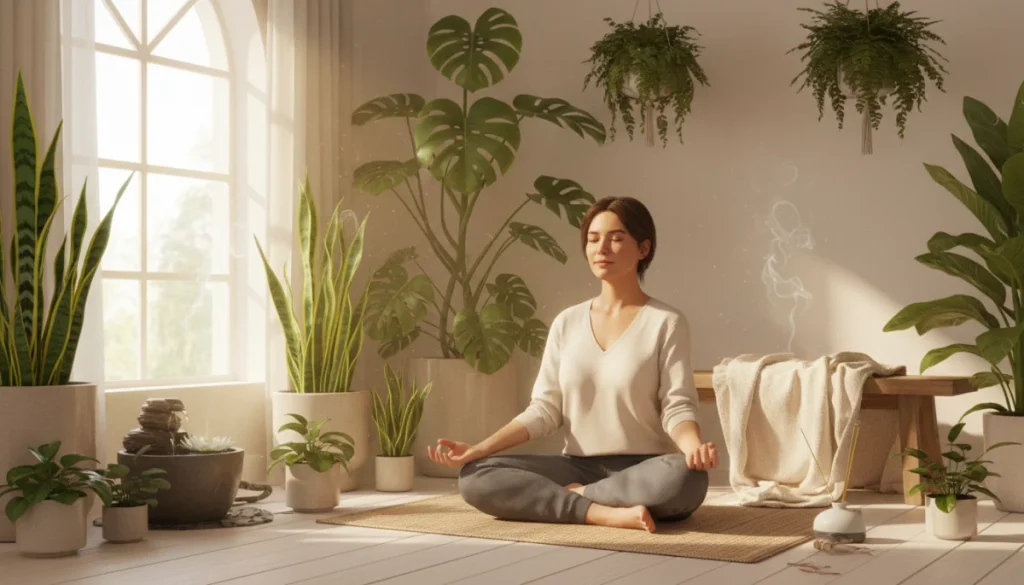
Cultivating inner peace in 2026 involves engaging in hobbies that foster mindfulness and personal growth, offering a vital antidote to modern life’s stressors.
In an increasingly fast-paced world, the quest for inner tranquility has become more vital than ever. Embracing nourishing your soul: 7 hobbies to cultivate inner peace in 2026 offers a profound pathway to mental clarity, emotional balance, and overall well-being. This journey isn’t about escaping reality, but rather finding anchors of calm within it.
The modern pursuit of inner peace
Our daily lives are often characterized by constant demands, digital distractions, and an unrelenting pressure to perform. This environment, while stimulating, can deplete our mental and emotional reserves, leading to stress, anxiety, and a feeling of disconnect. Recognizing this pervasive challenge, many are actively seeking ways to reclaim their inner calm and foster a deeper sense of peace.
The concept of inner peace transcends mere relaxation; it’s about cultivating a state of mind where one feels centered, resilient, and content, regardless of external circumstances. It involves a conscious effort to engage in activities that replenish the spirit, rather than drain it. In 2026, this pursuit is no longer a luxury but a necessity for sustainable well-being.
Why hobbies are crucial for mental well-being
Hobbies serve as powerful tools in this endeavor, providing structured opportunities for self-expression, learning, and mindfulness. They offer a break from routine, allowing our minds to shift focus and engage in activities purely for pleasure and personal fulfillment. This deliberate engagement can significantly reduce stress levels and improve mood.
- Stress reduction: Engaging in a hobby can lower cortisol levels, the body’s primary stress hormone.
- Enhanced focus: Hobbies often require concentration, which can improve attention spans and cognitive function.
- Sense of accomplishment: Completing a project or mastering a skill provides a boost to self-esteem and confidence.
- Creative outlet: They offer a channel for self-expression, which is vital for emotional health.
Ultimately, the modern pursuit of inner peace through hobbies is a proactive step towards a more balanced and fulfilling life. It’s about intentionally carving out space for activities that nurture the soul, fostering a resilient inner core that can withstand the pressures of the outside world.
Mindful movement: yoga and tai chi
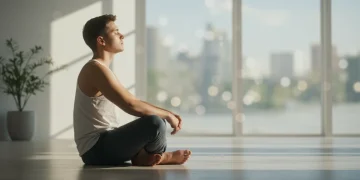
In the realm of physical activity, not all exercises are created equal when it comes to cultivating inner peace. While intense workouts have their benefits, mindful movement practices like yoga and tai chi offer a unique blend of physical exertion, mental focus, and spiritual connection. These ancient disciplines are designed to harmonize the body and mind, creating a profound sense of calm and presence.
Yoga, originating in ancient India, combines physical postures (asanas), breathing techniques (pranayama), and meditation. Its practice encourages practitioners to focus on their breath and bodily sensations, drawing their attention away from external distractions and internal chatter. This heightened awareness fosters a meditative state, promoting relaxation and mental clarity.
The calming power of breath and posture
Different styles of yoga, from gentle Hatha to flowing Vinyasa, offer various pathways to inner peace. Regardless of the style, the emphasis on breath control is paramount. Deep, conscious breathing activates the parasympathetic nervous system, which is responsible for the ‘rest and digest’ response, effectively countering the body’s stress response.
- Improved flexibility and strength: Yoga postures gently stretch and strengthen muscles.
- Better balance and coordination: Many poses challenge stability, enhancing proprioception.
- Reduced anxiety and depression: Regular practice has been shown to alleviate symptoms of mood disorders.
- Enhanced body awareness: Paying attention to physical sensations fosters a deeper connection with oneself.
Tai Chi, often described as ‘meditation in motion,’ is a Chinese martial art characterized by slow, graceful, and flowing movements. It emphasizes balance, posture, and deep breathing, promoting a smooth flow of ‘qi’ (life energy) throughout the body. The gentle, continuous nature of Tai Chi makes it accessible to people of all ages and fitness levels, offering a meditative experience that calms the mind and invigorates the body.
Both yoga and tai chi provide a sanctuary from the relentless pace of modern life, inviting practitioners to slow down, tune in, and reconnect with their inner selves. They are more than just exercises; they are holistic practices that nourish the soul and cultivate a lasting sense of inner peace.
Creative expression: painting and pottery
Engaging in creative hobbies offers a powerful avenue for self-discovery and emotional release, serving as a balm for the soul in a world often focused on logic and productivity. Painting and pottery, in particular, provide tangible outlets for imagination, allowing individuals to translate their inner landscapes into physical forms. These activities are not about achieving perfection, but rather about the process of creation itself, fostering a deep sense of presence and flow.
Painting, whether with watercolors, acrylics, or oils, invites a playful exploration of color, texture, and form. The act of mixing paints, applying brushes to canvas, and watching an image emerge can be incredibly meditative. It encourages a focus on the present moment, as worries about the past or future fade in the face of vibrant hues and evolving shapes. This immersion in the creative process can be profoundly calming, offering a respite from mental clutter.
The therapeutic touch of art
Pottery, on the other hand, engages the sense of touch in a unique way. Working with clay—molding, shaping, and transforming it—is a deeply grounding experience. The tactile sensation of the earth in one’s hands, combined with the concentration required to center and form a piece, can be intensely therapeutic. It demands patience and a willingness to embrace imperfections, reflecting life’s own lessons in resilience and acceptance.
- Emotional release: Art provides a non-verbal channel for expressing complex emotions.
- Stress reduction: The focused nature of creative tasks can significantly lower stress.
- Improved problem-solving: Overcoming artistic challenges enhances cognitive flexibility.
- Enhanced self-esteem: Creating something unique fosters a sense of accomplishment and pride.
Both painting and pottery offer a sanctuary where the pressure to conform or achieve is replaced by the joy of making. They remind us that creativity is an inherent human need, and by nurturing it, we nourish our souls and cultivate a profound sense of inner peace. These hobbies are not just about the final product, but about the journey of bringing something new and meaningful into existence.
Connecting with nature: gardening and hiking
In an increasingly urbanized and digitized world, the profound benefits of connecting with nature are often overlooked. Gardening and hiking offer powerful, tangible ways to re-establish this connection, fostering a deep sense of inner peace and well-being. These activities pull us away from screens and into the living world, reminding us of our place within a larger, harmonious ecosystem.
Gardening, whether in a small pot on a balcony or a sprawling backyard, is an act of nurturing and creation. The process of planting seeds, tending to sprouts, and watching life flourish provides a rhythmic, grounding experience. It teaches patience, resilience, and the cyclical nature of growth and decay. The simple act of digging in the soil, feeling the earth, and breathing in the scent of fresh greenery can be incredibly therapeutic, reducing stress and promoting a sense of calm.
Reaping the benefits of green spaces
Beyond the physical act, gardening offers a unique form of mindfulness. Observing the intricate details of a leaf, the vibrant color of a bloom, or the busy work of an insect draws our attention to the present moment. This focused awareness helps to quiet the mind, alleviating anxieties and fostering a sense of peace. The reward of fresh produce or beautiful flowers is merely a bonus to the profound psychological benefits.
- Stress reduction: Exposure to natural environments lowers cortisol levels.
- Improved mood: Sunlight exposure boosts vitamin D and serotonin, enhancing mood.
- Physical activity: Gardening and hiking provide gentle to moderate exercise.
- Enhanced cognitive function: Spending time in nature can improve memory and focus.
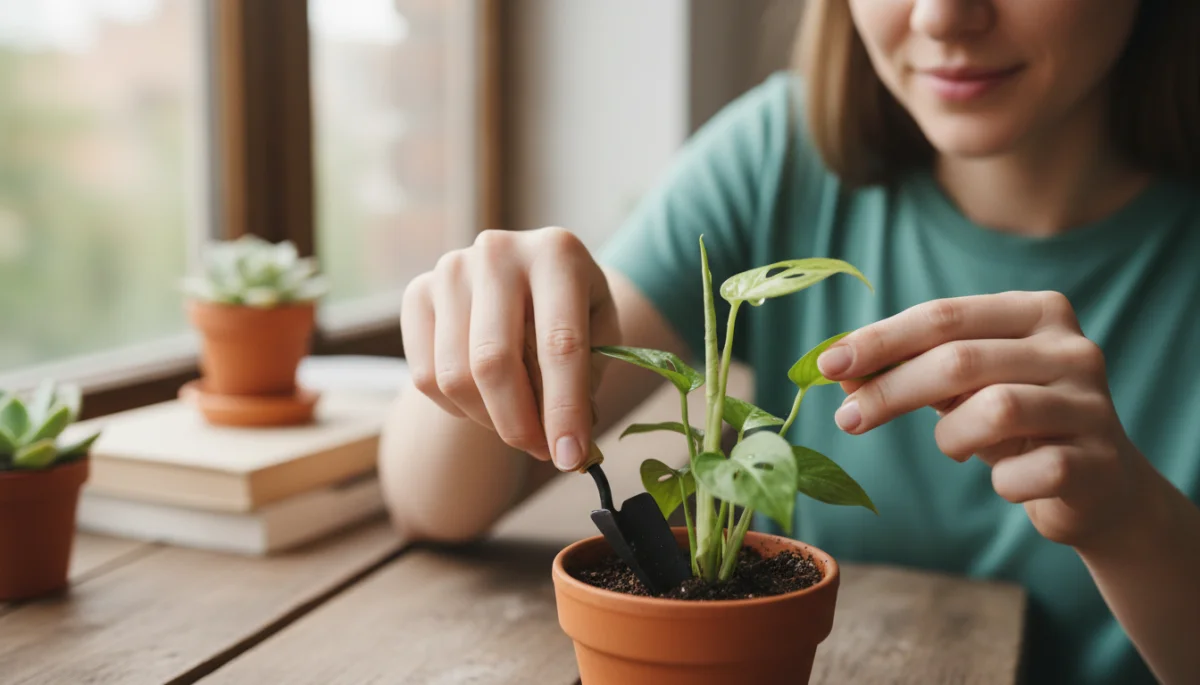
Hiking, on the other hand, offers a dynamic way to immerse oneself in nature. Whether a gentle stroll through a local park or a challenging trek up a mountain, the act of walking through natural landscapes provides a potent antidote to modern stressors. The rhythmic motion of walking, combined with the sights and sounds of the natural world— rustling leaves, birdsong, flowing water—creates a meditative experience.
Exploring trails encourages a sense of adventure and discovery, while the vastness of nature can put daily worries into perspective. It’s an opportunity to breathe fresh air, challenge the body, and clear the mind, returning with a renewed sense of vigor and inner peace. By intentionally seeking out and engaging with nature through gardening and hiking, we actively nourish our souls and cultivate a deeper, more resilient sense of calm.
Mindful hobbies: journaling and reading
In our increasingly digital world, hobbies that encourage quiet reflection and focused engagement with the written word are more valuable than ever for cultivating inner peace. Journaling and reading are two such practices that offer profound benefits for mental clarity, emotional processing, and intellectual growth. They invite us to slow down, connect with our inner selves, and explore worlds beyond our immediate experience.
Journaling is a powerful tool for self-reflection and emotional regulation. The act of putting thoughts and feelings onto paper can help to externalize anxieties, clarify confusions, and process experiences. It’s a non-judgmental space where one can explore their deepest thoughts without interruption, leading to greater self-awareness and emotional intelligence. This regular practice can significantly reduce stress and foster a sense of calm control over one’s inner landscape.
The quiet power of introspection
There are many forms of journaling, from stream-of-consciousness writing to gratitude lists or structured prompts. Regardless of the method, the consistent practice provides a mental sanctuary, allowing for introspection and healing. It helps to organize jumbled thoughts, identify patterns, and ultimately, find solutions or acceptance. This mindful engagement with one’s own mind is a direct path to inner peace.
- Emotional processing: Journaling helps in understanding and managing emotions.
- Clarity of thought: Writing down thoughts can untangle complex ideas.
- Stress reduction: Regular journaling is linked to lower anxiety levels.
- Personal growth: It provides a record of one’s journey and development.
Reading, particularly immersive fiction or thoughtful non-fiction, offers a different kind of mindful escape. When we delve into a book, we transport ourselves to another world or engage deeply with new ideas. This focused concentration on the narrative or argument pulls our attention away from daily stressors and into a state of flow. It’s a gentle exercise for the mind, expanding perspectives and fostering empathy without the demands of active participation.
Choosing books that resonate with personal interests or offer insights into the human condition can be especially nourishing. The quiet act of turning pages, absorbing stories, and reflecting on themes provides a tranquil respite. Both journaling and reading are accessible, low-cost hobbies that offer immense returns in terms of mental well-being and the cultivation of a lasting inner peace.
Building connections: volunteering and community work
While many hobbies for inner peace focus on individual pursuits, the act of connecting with others and contributing to a greater good can be profoundly nourishing for the soul. Volunteering and engaging in community work offer unique pathways to inner peace by shifting focus from self to service, fostering a sense of purpose, belonging, and gratitude. In 2026, as society grapples with various challenges, these communal activities become even more vital.
Volunteering provides an opportunity to apply one’s skills and time to causes that resonate personally, whether it’s helping at an animal shelter, assisting the elderly, or contributing to environmental conservation. The act of giving without expecting anything in return creates a powerful positive feedback loop, boosting mood and fostering a sense of accomplishment. It also helps to put one’s own challenges into perspective, cultivating empathy and compassion.
The ripple effect of selfless acts
Engaging in community work goes beyond formal volunteering; it can involve participating in local clean-up drives, organizing neighborhood events, or simply being an active, supportive member of local groups. These activities strengthen social bonds, combat feelings of isolation, and create a shared sense of responsibility and camaraderie. Knowing that one is part of a collective effort to improve the local environment or support fellow citizens can be deeply satisfying and a powerful source of inner peace.
- Enhanced sense of purpose: Contributing to a cause larger than oneself provides meaning.
- Increased social connection: Working with others builds community and reduces loneliness.
- Improved mental health: Helping others can boost mood and reduce symptoms of depression.
- Perspective shift: Witnessing challenges faced by others fosters gratitude for one’s own circumstances.
The beauty of these hobbies lies in their ability to create a ripple effect: as individuals contribute positively to their communities, they simultaneously enhance their own well-being. The sense of connection, the joy of making a difference, and the gratitude experienced through these interactions all contribute to a robust and sustainable inner peace. In a world that often emphasizes individual achievement, rediscovering the power of collective action through volunteering and community work offers a refreshing and vital path to soul nourishment.
Embracing learning: new languages and instruments
The human brain thrives on stimulation and novelty, and engaging in continuous learning is a powerful way to cultivate inner peace by fostering mental agility, patience, and a sense of accomplishment. Hobbies such as learning a new language or mastering a musical instrument offer structured, engaging pathways for cognitive growth, providing a fulfilling escape from the mundane and a profound connection to personal development.
Learning a new language is more than just acquiring vocabulary; it’s about opening a window to a new culture, a new way of thinking, and even a new perspective on the world. The process demands focus, memory, and problem-solving skills, all of which contribute to enhanced cognitive function. The small victories—understanding a phrase, holding a simple conversation—provide consistent boosts to self-esteem and a sustained sense of progress. This intellectual challenge can be a deeply absorbing and meditative activity.
The harmony of skill acquisition
Mastering a musical instrument, whether it’s a guitar, piano, or even a ukulele, offers a unique blend of intellectual and emotional engagement. It requires discipline, coordination, and an understanding of rhythm and harmony. The journey from fumbling notes to producing melodious tunes is incredibly rewarding, fostering patience and resilience. Playing music can also be a powerful form of emotional expression, allowing for a release of feelings that words cannot capture.
- Cognitive enhancement: Learning new skills improves memory, focus, and problem-solving.
- Increased patience: Mastery takes time, teaching the value of perseverance.
- Stress relief: The immersive nature of learning can be a meditative escape.
- Boosted confidence: Achieving milestones in learning builds self-efficacy.
Both language and instrument learning provide a structured framework for personal growth. They demand dedication but offer immense satisfaction as skills develop. The journey itself, filled with challenges and triumphs, becomes a source of inner peace, as one becomes absorbed in the process of creation and understanding. These hobbies are not merely pastimes; they are investments in one’s mental and emotional well-being, fostering a lifelong love of learning and a deeper sense of self-fulfillment.
| Hobby Category | Benefit for Inner Peace |
|---|---|
| Mindful Movement | Harmonizes body and mind, reduces stress through conscious breath. |
| Creative Expression | Provides emotional release and fosters presence through artistic creation. |
| Connecting with Nature | Grounds the individual, reduces stress, and promotes mindfulness in natural settings. |
| Mindful Hobbies | Enhances self-awareness and emotional processing through reflection. |
Frequently asked questions about cultivating inner peace
Hobbies offer a vital escape from daily stressors, providing a dedicated space for self-expression, learning, and mindfulness. They help reduce anxiety, improve focus, and foster a sense of accomplishment, all contributing to a more balanced and tranquil state of mind.
Mindful movement practices such as yoga and tai chi combine physical postures with deep breathing and meditation. This integration helps calm the nervous system, improve body awareness, and reduce mental chatter, leading to profound relaxation and a centered mind.
Absolutely. Creative hobbies like painting or pottery provide a non-verbal outlet for emotions, allowing for release and processing. The immersive nature of creation fosters a state of ‘flow,’ which reduces stress, enhances mood, and boosts self-esteem by bringing unique ideas into being.
Hobbies like gardening and hiking connect us directly with the natural world, which has proven benefits for mental health. Exposure to green spaces lowers stress hormones, improves mood, and enhances mindfulness, grounding us and providing a fresh perspective on life’s challenges.
Learning a new language or musical instrument stimulates the brain, improving focus, memory, and problem-solving skills. The process of acquiring new abilities fosters patience, resilience, and a sense of accomplishment, offering a fulfilling distraction and a path to personal growth and calm.
Conclusion
As we navigate the complexities of 2026, the deliberate choice to engage in hobbies that nourish the soul becomes not just a recommendation, but a cornerstone of holistic well-being. From the mindful movements of yoga to the creative release of pottery, the grounding embrace of nature, the introspection of journaling, and the communal spirit of volunteering, each activity offers a unique pathway to cultivating inner peace. These aren’t mere distractions, but intentional practices that build resilience, foster self-awareness, and infuse daily life with purpose and tranquility. By embracing these hobbies, we actively invest in our mental and emotional health, creating a sanctuary within ourselves that can withstand the external pressures of the modern world.