Remote Work Trends 2026: 5 Productivity Tools Now
Remote work trends 2026 are defined by integrated AI, immersive collaboration, and enhanced cybersecurity, fundamentally reshaping how we approach productivity.
The landscape of professional life is constantly evolving, and by 2026, remote work has matured into a sophisticated ecosystem. Understanding the crucial remote work trends 2026 is not just about staying current; it’s about equipping yourself with the tools that define peak productivity in this new era. The shift from traditional offices to distributed teams has accelerated, driven by technological advancements and a growing emphasis on flexibility and efficiency.
The Evolution of Remote Work: Beyond the Basics
Remote work in 2026 is far removed from its nascent stages of video calls and shared documents. We are witnessing a fundamental transformation, where technology isn’t just supporting remote operations but actively enhancing them, blurring the lines between physical and virtual workspaces. This evolution demands a re-evaluation of our digital toolkits.
The early days of remote work were often characterized by a patchwork of disparate applications, leading to context-switching and fragmented workflows. Today, the focus has shifted towards integrated platforms that offer a cohesive experience, reducing friction and maximizing output. Companies are investing heavily in solutions that provide seamless collaboration, robust security, and intelligent automation, recognizing these as cornerstones for sustained success in a distributed environment.
From Co-location to Co-creation
The paradigm has moved from simply replicating office tasks remotely to fostering genuine co-creation regardless of geographical distance. This requires tools that go beyond basic communication.
- Unified Communication Hubs: Platforms integrating chat, video, voice, and file sharing into a single, intuitive interface.
- Asynchronous Collaboration: Tools designed to support work across different time zones, ensuring progress without constant real-time interaction.
- Spatial Computing Integration: Leveraging AR/VR for more immersive and engaging virtual meetings and brainstorming sessions.
The goal is to eliminate the feeling of isolation often associated with remote work, fostering a sense of shared presence and collective purpose. This means moving beyond mere task management to tools that support the entire ideation-to-execution lifecycle.
Ultimately, the evolution of remote work is about empowering individuals and teams to perform at their best, irrespective of their physical location. It’s about building resilient, adaptable, and highly productive workforces capable of navigating the complexities of the modern global economy. The tools we choose are central to achieving this vision, acting as the digital infrastructure that underpins our collective success.
AI-Powered Assistants: Your New Digital Coworker
In 2026, artificial intelligence has become an indispensable part of the remote worker’s arsenal, moving beyond simple automation to act as genuine digital coworkers. These AI assistants are not just about saving time; they are about enhancing cognitive load, offering predictive insights, and streamlining complex tasks that once consumed significant human effort. Their integration into daily workflows signifies a major leap in productivity.
The power of AI lies in its ability to learn and adapt to individual work patterns, anticipating needs and proactively offering solutions. From managing schedules to drafting communications, these intelligent systems are designed to augment human capabilities, allowing professionals to focus on higher-value, strategic thinking rather than routine administrative burdens. This partnership between human and AI is foundational to the efficiency gains seen in modern remote teams.
Smart Task Automation and Prioritization
AI assistants excel at automating repetitive tasks and intelligently prioritizing workflows, ensuring that critical deadlines are met and focus remains on strategic objectives.
- Intelligent Email Management: Automatically categorizing, prioritizing, and even drafting responses to common inquiries.
- Meeting Summarization: AI-powered tools that transcribe, summarize, and highlight key action items from virtual meetings.
- Predictive Scheduling: Optimizing calendars based on availability, project deadlines, and personal preferences to avoid conflicts.
These capabilities free up valuable time, allowing remote professionals to dedicate their energy to creative problem-solving and impactful work. The AI learns from user interactions, becoming more effective and personalized over time, truly becoming a ‘smart’ assistant.
The true value of AI-powered assistants in remote work lies in their ability to create a more organized, less stressful, and ultimately more productive environment. They democratize access to efficiency, making advanced organizational techniques available to everyone, regardless of their administrative support. As these tools continue to evolve, their role in shaping the future of work will only grow, cementing their status as essential productivity partners.
Immersive Collaboration Platforms: Beyond Video Calls
The days of static, grid-based video calls as the primary mode of remote interaction are largely behind us. By 2026, immersive collaboration platforms have redefined how remote teams connect, brainstorm, and execute projects. These platforms leverage augmented reality (AR), virtual reality (VR), and mixed reality (MR) to create digital environments that feel remarkably similar to physical workspaces, fostering deeper engagement and a stronger sense of presence among distributed team members.
This shift is driven by the recognition that human interaction thrives on non-verbal cues and shared spatial experiences, which traditional video conferencing often fails to capture. Immersive platforms aim to bridge this gap, allowing colleagues to interact with digital objects, walk through virtual models, and even ‘sit’ together in a virtual conference room, making remote collaboration feel significantly more natural and effective.
Creating Shared Digital Spaces
These platforms are not just about meetings; they are about building persistent, shared digital spaces where teams can gather, work, and socialize, replicating the serendipitous interactions of an office.
- Virtual Workspaces: Customizable 3D environments where teams can set up virtual desks, whiteboards, and project displays.
- Digital Twin Technology: For industries like manufacturing or architecture, creating virtual replicas of physical assets for remote inspection and collaboration.
- Avatar-based Interactions: Personalizing digital representations that convey presence and allow for more expressive communication.
The ability to manipulate shared digital assets in real-time within these environments revolutionizes design reviews, training sessions, and complex problem-solving. This level of immersion significantly enhances understanding and reduces miscommunication, which can be prevalent in purely audio or text-based remote interactions.
The impact of immersive collaboration platforms extends beyond just productivity; they also play a crucial role in combating feelings of isolation and fostering team cohesion. By providing a richer, more engaging social fabric for remote interactions, these tools help maintain strong interpersonal relationships and a vibrant company culture. As the technology becomes more accessible and refined, these platforms will undoubtedly become the standard for high-performance remote teams.
Advanced Cybersecurity & Privacy Tools: Trust in the Cloud
As remote work becomes increasingly sophisticated and interconnected, the importance of advanced cybersecurity and privacy tools has never been more critical. In 2026, the proliferation of cloud-based applications, personal devices, and distributed networks presents a broader attack surface for cyber threats. Consequently, robust security measures are not just an IT concern but a fundamental requirement for maintaining trust, protecting sensitive data, and ensuring business continuity for remote operations.
The focus has shifted from perimeter-based defenses to a zero-trust architecture, where every user and device, regardless of location, must be authenticated and authorized. This proactive approach acknowledges that threats can originate from anywhere, and therefore, continuous verification is essential. Remote teams rely on these advanced tools to safeguard intellectual property, customer data, and internal communications against increasingly sophisticated cyberattacks.
Zero-Trust Networks and Data Encryption
Implementing zero-trust principles and comprehensive data encryption are paramount for securing remote work environments, protecting both corporate assets and individual privacy.
- Multi-Factor Authentication (MFA) Everywhere: Mandating MFA for all logins and system access, significantly reducing unauthorized entry risks.
- Endpoint Detection and Response (EDR): Advanced solutions that monitor and respond to threats on all remote devices, from laptops to mobile phones.
- End-to-End Encryption: Ensuring all communications and data transfers are encrypted, protecting information from interception.
These layers of security provide peace of mind for both employees and organizations, allowing remote teams to operate confidently without fear of data breaches or privacy infringements. Regular security audits and employee training are also integral components of a comprehensive cybersecurity strategy.
The landscape of cyber threats is constantly evolving, making continuous adaptation and investment in cutting-edge security tools non-negotiable for remote businesses. By prioritizing robust cybersecurity and privacy, organizations can build a resilient digital infrastructure that supports flexible work models while protecting their most valuable assets. This commitment to security underpins the entire remote work ecosystem, fostering an environment where innovation and productivity can thrive without compromise.
Integrated Project Management Suites: Orchestrating Success
In the dynamic environment of 2026, fragmented project management is a relic of the past. Integrated project management suites have emerged as the central nervous system for remote teams, providing a holistic view of all ongoing initiatives, tasks, and team contributions. These sophisticated platforms go beyond simple task tracking; they offer comprehensive tools for resource allocation, progress monitoring, communication, and analytics, ensuring that complex projects are delivered on time and within scope, regardless of geographical distribution.
The challenge of coordinating diverse teams across different time zones and cultural backgrounds is significantly mitigated by these integrated suites. They serve as a single source of truth, eliminating information silos and providing transparency into every aspect of a project. This centralized approach fosters accountability, improves decision-making, and allows project managers to proactively identify and address potential roadblocks before they escalate.
Streamlined Workflows and Real-time Analytics
These suites are designed to streamline workflows, enhance collaboration, and provide real-time insights into project performance, driving efficiency and informed strategic adjustments.
- Automated Workflow Triggers: Setting up automated actions based on task completion, status changes, or specific deadlines.
- Dependency Management: Clearly mapping out task dependencies to visualize critical paths and potential bottlenecks.
- Customizable Dashboards: Providing personalized views of project progress, resource utilization, and team workload.
The ability to generate real-time reports and analytics allows stakeholders to quickly assess project health and make data-driven decisions. This level of insight is crucial for maintaining agility and responsiveness in fast-paced remote work settings, enabling teams to pivot quickly when necessary.
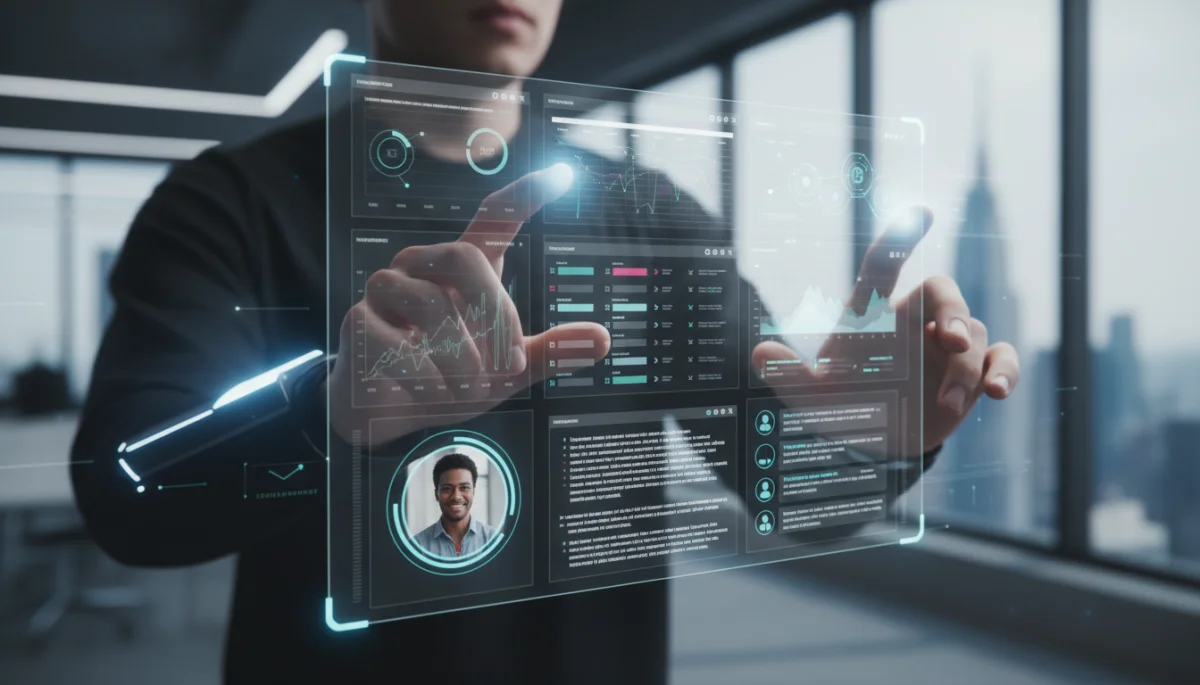
Furthermore, the integration with other essential tools, such as communication platforms and file-sharing services, creates a seamless experience, reducing the need for context-switching and improving overall productivity. By providing a robust framework for planning, executing, and monitoring projects, these integrated suites are indispensable for remote teams striving for excellence and consistent delivery.
Personalized Learning & Development Platforms: Growing Remotely
The rapid pace of technological change and evolving industry demands mean that continuous learning is no longer optional but a necessity, especially for remote workforces. In 2026, personalized learning and development platforms are crucial tools, empowering remote employees to upskill and reskill at their own pace and convenience. These platforms leverage AI to tailor learning paths to individual needs, career goals, and organizational objectives, ensuring that skills remain relevant and competitive.
Remote workers often face unique challenges in accessing traditional training opportunities. These platforms overcome such barriers by providing on-demand, flexible learning experiences that can be integrated seamlessly into their work schedules. This commitment to continuous professional development not only enhances individual capabilities but also strengthens the collective expertise and adaptability of the entire remote team.
Adaptive Content and Skill Gap Analysis
These platforms offer adaptive content delivery and sophisticated skill gap analysis, ensuring learning is targeted, effective, and directly contributes to career progression and organizational success.
- AI-Driven Course Recommendations: Suggesting relevant courses and modules based on role, performance, and future career aspirations.
- Interactive Simulations: Providing hands-on, virtual environments for practicing new skills in a safe, controlled setting.
- Microlearning Modules: Delivering bite-sized content that makes learning accessible and manageable during short breaks or commute times.
By identifying skill gaps and offering targeted training, organizations can proactively address future challenges and ensure their remote workforce possesses the competencies needed to thrive. This proactive approach to talent development is a hallmark of successful remote-first companies.
Investing in personalized learning platforms demonstrates a commitment to employee growth, which in turn boosts morale, engagement, and retention within remote teams. As the professional landscape continues to shift, these tools will be instrumental in fostering a culture of continuous improvement, enabling remote workers to adapt, innovate, and contribute meaningfully to their organizations’ long-term success. They are not just learning tools; they are strategic assets for talent development.
The Future-Proof Remote Work Ecosystem
The journey into 2026 reveals a remote work landscape that is more integrated, intelligent, and secure than ever before. The five must-have tools discussed — AI-powered assistants, immersive collaboration platforms, advanced cybersecurity, integrated project management suites, and personalized learning platforms — are not merely individual applications but interconnected components of a cohesive digital ecosystem. This ecosystem is designed to maximize productivity, foster deep collaboration, and ensure the well-being and continuous growth of distributed teams.
Embracing these tools signifies a strategic investment in the future of work, moving beyond reactive adjustments to proactive innovation. Companies that prioritize the integration and effective utilization of these technologies will be better positioned to attract top talent, enhance operational efficiency, and maintain a competitive edge in an increasingly globalized and flexible marketplace. The future of remote work is bright, driven by intelligent tools that empower human potential.
| Key Trend | Brief Description |
|---|---|
| AI Assistants | Automate tasks, prioritize workflows, and provide predictive insights for enhanced efficiency. |
| Immersive Collaboration | AR/VR platforms creating shared digital spaces for deeper team engagement and interaction. |
| Cybersecurity Tools | Zero-trust architectures and robust encryption to secure distributed data and communications. |
| Integrated PM Suites | Centralized platforms for project planning, execution, and real-time monitoring across teams. |
Frequently Asked Questions About Remote Work Trends 2026
The biggest challenges for remote teams in 2026 include maintaining team cohesion across diverse locations, combating digital fatigue, ensuring robust cybersecurity against evolving threats, and fostering continuous skill development to keep pace with rapid technological advancements. Overcoming these requires strategic investment in integrated tools and strong leadership.
AI enhances remote work productivity by automating routine tasks, such as email management and meeting summarization, providing predictive insights for better decision-making, and intelligently prioritizing workflows. This frees up remote workers to focus on more complex, creative, and strategic tasks, significantly boosting overall efficiency and reducing administrative burdens.
Immersive collaboration platforms are crucial for 2026 because they move beyond basic video calls to create more engaging and natural interactions. By using AR/VR, these platforms foster a stronger sense of presence, enable shared spatial experiences, and improve non-verbal communication, leading to deeper team cohesion and more effective brainstorming and problem-solving sessions among distributed teams.
A zero-trust security model in remote work means that no user or device, whether inside or outside the network, is automatically trusted. Every access attempt must be verified. This architecture mandates strict identity verification, endpoint security, and access controls for all resources, significantly reducing the risk of data breaches and unauthorized access in distributed environments.
Personalized learning platforms benefit remote employees by offering on-demand, tailored learning paths that align with individual career goals and organizational needs. They use AI to recommend relevant courses, provide interactive simulations, and deliver microlearning modules, ensuring continuous skill development and adaptability in a rapidly changing professional landscape, all accessible from any location.
Conclusion
The trajectory of remote work into 2026 is clear: it’s a dynamic, technologically advanced landscape demanding a thoughtful approach to tools and strategies. The five essential productivity tools — AI-powered assistants, immersive collaboration platforms, advanced cybersecurity, integrated project management suites, and personalized learning platforms — are not just fleeting trends but fundamental pillars supporting efficient, secure, and engaging remote operations. Embracing these innovations is paramount for organizations and individuals alike to thrive in this evolving professional paradigm. By prioritizing seamless integration, continuous learning, and robust security, we can collectively build a future of work that is not only productive but also resilient and empowering for everyone involved.