Digital Identity Verification: 2026 Updates for Secure Transactions

Digital identity verification in 2026 is crucial for secure online transactions, leveraging advanced biometrics, AI, and decentralized technologies to protect users and businesses from evolving cyber threats.
In an increasingly interconnected world, the integrity of online interactions hinges on robust identity confirmation. Understanding the nuances of digital identity verification is no longer just for tech enthusiasts; it’s a fundamental requirement for anyone engaging in secure online transactions in 2026. How are these systems evolving to protect your digital life?
The evolving landscape of digital identity in 2026
The digital realm has expanded exponentially, transforming how we bank, shop, and interact. This rapid evolution, however, brings with it sophisticated threats, making advanced digital identity verification more critical than ever. We’re moving beyond simple passwords to a multi-layered defense against fraud and impersonation.
In 2026, the focus has shifted towards user-centric and privacy-preserving approaches. Traditional methods, while still foundational, are being augmented by innovative technologies that promise greater security and a smoother user experience. The challenge lies in balancing convenience with impenetrable protection.
Key drivers for innovation
- Sophisticated cyber threats: Phishing, deepfakes, and synthetic identity fraud demand stronger defenses.
- Regulatory pressures: Governments worldwide are implementing stricter data protection and KYC (Know Your Customer) regulations.
- User demand for seamless experiences: Consumers expect quick, secure, and effortless verification processes.
- Technological advancements: AI, machine learning, and blockchain are enabling new verification paradigms.
The imperative for continuous improvement in digital identity verification is clear. As our lives become more digitized, the systems safeguarding our online personas must keep pace, ensuring that trust remains the bedrock of every transaction.
Biometric advancements: beyond fingerprints and facial scans
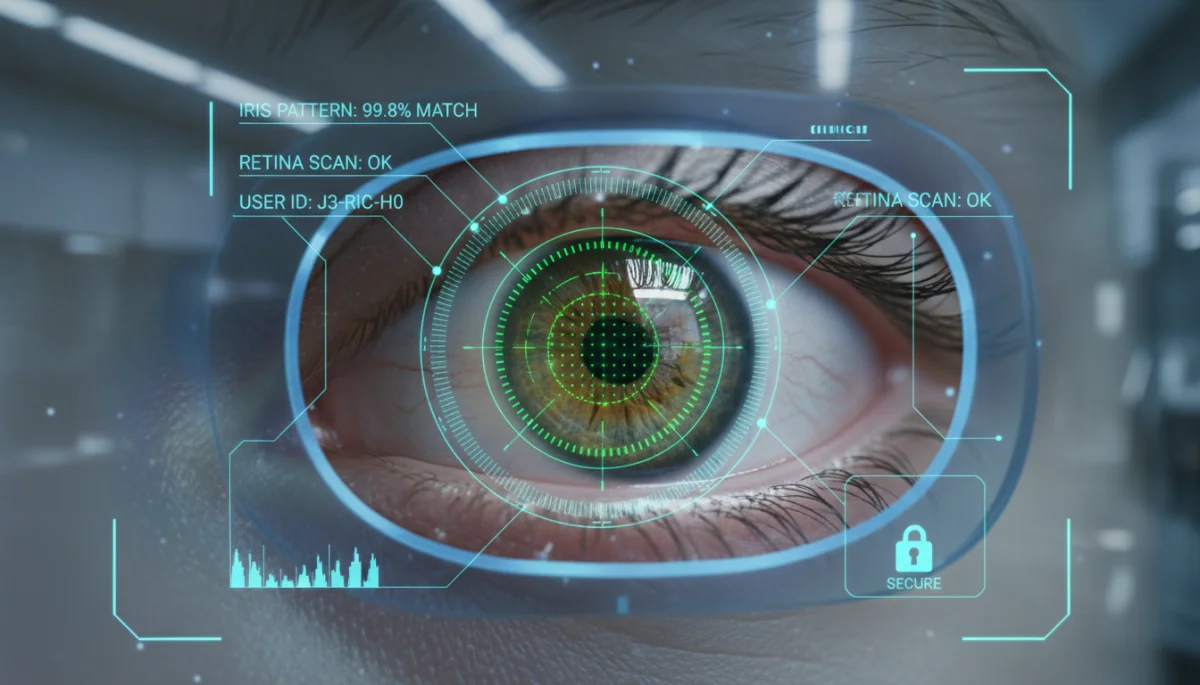
Biometrics have long been a cornerstone of digital identity verification, but 2026 sees these technologies reaching unprecedented levels of sophistication. We’re talking about more than just unlocking your phone; biometrics are now integral to high-value transactions and sensitive data access.
The accuracy and reliability of biometric systems have improved dramatically, reducing false positives and negatives. This enhanced precision is crucial for preventing identity theft and ensuring that only the rightful owner can access their digital assets.
Next-generation biometric modalities
While facial and fingerprint recognition remain prevalent, newer modalities offer enhanced security and convenience. These include behavioral biometrics and advanced physiological markers.
- Behavioral biometrics: Analyzing unique user patterns such as typing rhythm, mouse movements, and gait. This provides continuous authentication without explicit user action.
- Vein pattern recognition: Scanning the unique patterns of blood vessels beneath the skin, which are nearly impossible to spoof.
- Voice recognition with liveness detection: Advanced algorithms differentiate between live speech and recorded or synthesized voices, thwarting deepfake audio attacks.
These innovations in biometrics are making it significantly harder for malicious actors to impersonate legitimate users, thereby fortifying the security of online transactions. The seamless integration of these technologies into everyday devices is a key focus for providers.
The role of artificial intelligence and machine learning
Artificial intelligence (AI) and machine learning (ML) are not just buzzwords in 2026; they are the engines driving the next generation of digital identity verification. These technologies enable systems to learn, adapt, and identify fraudulent patterns with unparalleled speed and accuracy, far surpassing human capabilities.
AI-powered systems can analyze vast datasets in real-time, identifying anomalies that might indicate a fraudulent attempt. This proactive approach allows businesses to mitigate risks before they escalate, protecting both consumers and their own operations.
AI-driven fraud detection
Machine learning models are continuously trained on new data, allowing them to evolve alongside emerging fraud tactics. This adaptive capability is vital in the dynamic landscape of cybercrime.
- Real-time risk assessment: AI algorithms evaluate transaction parameters instantly, flagging suspicious activities based on behavioral deviations or known fraud indicators.
- Deepfake detection: Advanced AI can discern subtle inconsistencies in images and videos, crucial for identifying sophisticated identity spoofing attempts.
- Synthetic identity recognition: ML helps identify identities fabricated from real and fake data points, a growing threat in online fraud.
The integration of AI and ML into digital identity verification processes is revolutionizing fraud prevention. These intelligent systems provide a robust, scalable defense, making online environments safer and more trustworthy for everyone.
Decentralized identity and blockchain technology
Decentralized identity (DID) powered by blockchain technology represents a paradigm shift in how we manage and verify our digital personas. Instead of relying on central authorities to store and validate identity data, individuals gain control over their own information, granting access only when necessary.
This approach enhances privacy, reduces the risk of large-scale data breaches, and streamlines verification processes. In 2026, DID is gaining traction as a viable alternative to traditional, centralized identity models, promising a more secure and user-centric future.
Benefits of decentralized identity
Blockchain’s immutable ledger ensures that identity data, once recorded, cannot be tampered with, providing a high degree of trust and integrity. This distributed nature also means there’s no single point of failure for attackers to target.
- User control and privacy: Individuals decide which identity attributes to share and with whom, minimizing data exposure.
- Enhanced security: Cryptographic security and distributed storage make identity data highly resistant to hacking and fraud.
- Reduced reliance on third parties: Eliminates the need for intermediaries to verify identity, speeding up transactions and reducing costs.
- Interoperability: Standardized protocols allow for seamless identity verification across different platforms and services.
The widespread adoption of decentralized identity is still in its early stages, but its potential to reshape digital trust and security is immense. As the technology matures, it will undoubtedly play a more significant role in secure online transactions.
Regulatory frameworks and compliance in 2026
The rapid advancement in digital identity verification technologies is paralleled by an increasingly complex regulatory landscape. In 2026, businesses operating online must navigate a myriad of national and international laws designed to protect consumer data and combat financial crime.
Compliance is not merely about avoiding penalties; it’s about building trust with customers and demonstrating a commitment to secure and ethical data practices. Staying abreast of these evolving regulations is paramount for any organization involved in online transactions.
Key regulatory considerations
From data privacy acts to anti-money laundering (AML) directives, the legal framework surrounding digital identity is multifaceted. Organizations must implement robust systems to meet these stringent requirements, often leveraging technology to automate compliance processes.
- GDPR and CCPA: These privacy regulations continue to influence how personal data is collected, stored, and processed globally, impacting identity verification solutions.
- AML and KYC updates: Financial institutions face stricter requirements to verify customer identities and monitor transactions to prevent illicit activities.
- Digital identity acts: Many countries are introducing specific legislation to govern digital identity ecosystems, promoting secure and interoperable solutions.
Achieving regulatory compliance in digital identity verification demands a proactive and adaptive approach. Businesses must invest in solutions that not only secure transactions but also align with the highest standards of data protection and legal accountability.
User experience and accessibility in verification processes
While security remains paramount, the user experience (UX) of digital identity verification processes has become a critical factor in 2026. Cumbersome or inaccessible verification steps can deter users and lead to abandoned transactions, undermining the very purpose of robust security.
The goal is to create a verification journey that is both highly secure and remarkably intuitive. This involves designing systems that are easy to understand, quick to complete, and accessible to a diverse range of users, including those with disabilities.
Balancing security and convenience
Modern identity solutions are engineered to minimize friction without compromising on protection. This often involves intelligent design and the strategic application of technology to simplify complex processes.
- Frictionless onboarding: Streamlined identity verification during initial sign-up, often leveraging pre-verified digital credentials.
- Adaptive authentication: Adjusting the level of verification required based on the risk profile of a transaction or user behavior.
- Inclusive design: Ensuring verification methods are accessible to individuals with varying technical proficiencies and physical abilities.
- Mobile-first approach: Optimizing verification flows for smartphones and other mobile devices, where most online transactions occur.
By prioritizing user experience and accessibility, businesses can enhance customer satisfaction, increase conversion rates, and build stronger trust in their digital platforms, all while maintaining stringent security standards for digital identity verification.
| Key Aspect | Description in 2026 |
|---|---|
| Advanced Biometrics | Beyond basic scans, incorporating behavioral and advanced physiological markers for enhanced security. |
| AI & Machine Learning | Real-time fraud detection, deepfake identification, and adaptive risk assessment for dynamic threats. |
| Decentralized Identity | Blockchain-based solutions giving users control over their identity data, improving privacy and security. |
| Regulatory Compliance | Adherence to evolving global data protection and financial crime prevention laws, like GDPR and AML. |
Frequently asked questions about digital identity verification
The biggest challenge is staying ahead of increasingly sophisticated fraud techniques, such as deepfakes and synthetic identities, while simultaneously ensuring a seamless and accessible user experience. Balancing robust security with user convenience remains a critical balancing act for providers and businesses.
Biometrics provide a unique, physical layer of authentication that is difficult to replicate. In 2026, advanced biometrics like behavioral patterns and vein recognition offer continuous, passive verification, significantly reducing the risk of unauthorized access and identity theft during transactions.
Decentralized identity (DID) gives individuals sovereign control over their digital identity data, stored on a blockchain. It’s important because it enhances privacy, reduces reliance on central authorities, and minimizes the risk of large-scale data breaches, making online interactions more secure and user-centric.
AI and machine learning analyze vast amounts of data in real-time to detect anomalous patterns and identify fraudulent activities that human analysis might miss. This includes recognizing deepfake attempts, synthetic identities, and unusual behavioral patterns, providing a proactive defense against evolving threats.
Regulatory frameworks are constantly evolving, with new laws and updates to existing ones (like GDPR and AML) being introduced to address the complexities of digital identity. While there’s always a lag, regulators are increasingly focused on ensuring data protection, privacy, and combating financial crime in the digital age.
Conclusion
The landscape of digital identity verification in 2026 is characterized by relentless innovation and a heightened focus on security, privacy, and user experience. From the precision of advanced biometrics and the adaptive intelligence of AI to the empowering control of decentralized identity, the tools to secure online transactions are more robust than ever. As both threats and technologies continue to evolve, continuous adaptation and a commitment to strong regulatory compliance will be essential for fostering a trustworthy and secure digital future for everyone.