Federal Grants for Home Energy Efficiency in 2026: Save Up to $8,000
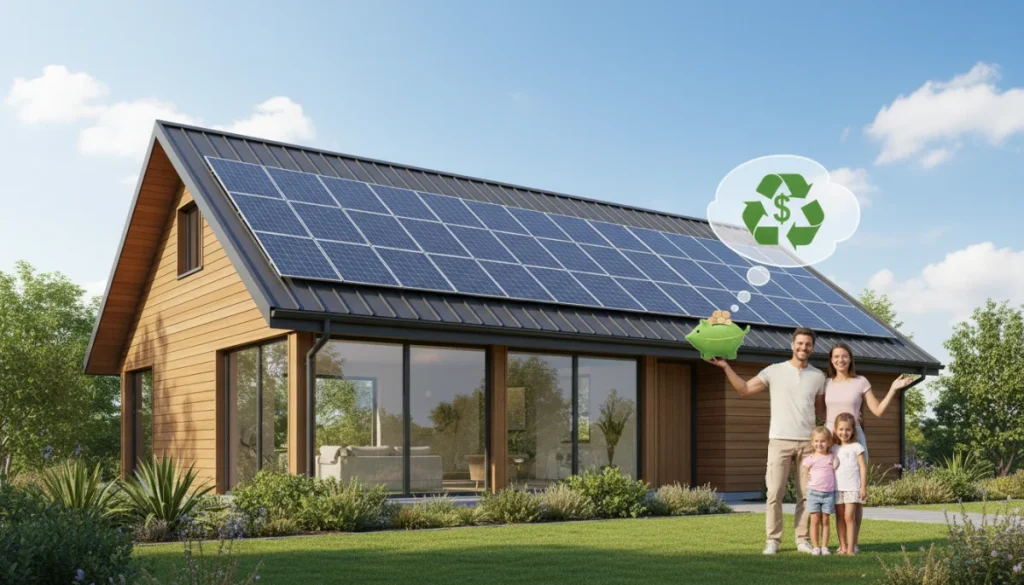
Homeowners in 2026 can secure federal grants for home energy efficiency, potentially saving up to $8,000 on essential upgrades.
Are you looking to make your home more energy-efficient and save money in the process? In 2026, significant opportunities exist through Federal Grants for Home Energy Efficiency in 2026: Save Up to $8,000 on Upgrades This Year, offering a chance to upgrade your residence and reduce utility bills.
Understanding the Landscape of Federal Energy Grants in 2026
The federal government continues its commitment to promoting energy efficiency and sustainability across American households. For 2026, a robust framework of grants and incentives is in place, designed to help homeowners offset the costs of energy-saving improvements. These initiatives are not just about financial relief; they are pivotal in reducing carbon footprints and fostering a greener future.
Navigating these programs can seem complex at first glance, but with the right information, homeowners can successfully access funds. These grants typically target specific improvements, from insulation and window replacements to more advanced renewable energy installations. Understanding the core objectives of these programs is the first step toward unlocking their benefits.
Key Objectives of Federal Energy Efficiency Programs
Federal programs are structured with clear goals in mind, which often dictate eligibility and funding priorities. These objectives ensure that the grants are utilized effectively to achieve broader national energy targets.
- Reduce Household Energy Consumption: A primary goal is to lower the overall energy demand of residential properties, decreasing reliance on fossil fuels.
- Support Renewable Energy Adoption: Many grants specifically encourage the installation of solar panels, geothermal systems, and other clean energy technologies.
- Enhance Home Comfort and Value: Energy-efficient upgrades not only save money but also improve indoor air quality, comfort levels, and the market value of a home.
- Stimulate Economic Growth: By funding upgrades, these programs support jobs in the construction, manufacturing, and renewable energy sectors.
The overarching aim is to empower homeowners to make sustainable choices without bearing the full financial burden. This collaborative effort between citizens and government is essential for achieving long-term environmental and economic stability.
In conclusion, the federal energy grant landscape for 2026 is designed to be comprehensive and impactful, offering substantial support for homeowners committed to energy efficiency. By understanding these foundational aspects, individuals can better position themselves to take advantage of available funding.
Who Qualifies? Eligibility Criteria for 2026 Federal Grants
Eligibility for federal grants for home energy efficiency in 2026 varies significantly between programs, but several common criteria often apply. Generally, these grants are aimed at homeowners, with some programs also extending to renters or landlords making improvements to rental properties. Understanding these requirements is crucial before embarking on the application process.
A key aspect of eligibility often revolves around income levels. Many federal grants are means-tested, meaning they prioritize low-to-moderate income households to ensure that those who need financial assistance the most receive it. However, other grants are universally available, focusing solely on the type of energy upgrade being performed, regardless of income.
Common Eligibility Factors
While specific program details will always dictate the final eligibility, these factors are frequently encountered:
- Homeownership Status: Most grants require you to own and occupy the home as your primary residence.
- Income Thresholds: For many programs, your household income must fall within a certain percentage of the Area Median Income (AMI).
- Property Type: Grants typically apply to single-family homes, but some may include multi-family dwellings or manufactured homes.
- Existing Energy Performance: Some programs might require an energy audit to identify areas for improvement and confirm the potential for significant energy savings.
Beyond these general points, specific programs might have additional requirements, such as requiring the use of certified contractors or adherence to particular building codes. It is always advisable to review the detailed guidelines for each grant program you are interested in.
The eligibility criteria are designed to ensure that the grants achieve their intended purpose, whether that is alleviating energy burdens for vulnerable populations or driving widespread adoption of cutting-edge energy technologies. Taking the time to verify your eligibility early can save considerable time and effort in the application process.
To summarize, eligibility for federal energy grants in 2026 is multifaceted, encompassing income, property type, and ownership status. Homeowners should thoroughly research the specific requirements of each program to determine their potential for receiving funding.
Types of Energy-Efficient Upgrades Covered by Grants
The range of home energy efficiency upgrades covered by federal grants in 2026 is extensive, reflecting a holistic approach to energy conservation. These grants aim to support improvements that deliver measurable energy savings and contribute to a more sustainable living environment. From foundational structural enhancements to advanced technological installations, numerous options are available.
Commonly covered upgrades include improvements to a home’s thermal envelope, which is critical for maintaining indoor temperatures and reducing heating and cooling loads. Additionally, grants often extend to the installation of high-efficiency appliances and renewable energy systems, offering a pathway to significant long-term savings.
Popular Grant-Eligible Upgrades
Understanding which upgrades are typically covered can help homeowners prioritize their projects and maximize grant potential:
- Insulation and Air Sealing: Upgrading attic, wall, and floor insulation, along with sealing air leaks, is fundamental for energy efficiency.
- Window and Door Replacement: Installing ENERGY STAR certified windows and doors can dramatically reduce heat loss and gain.
- HVAC System Upgrades: Replacing old furnaces, boilers, and air conditioners with high-efficiency models, including heat pumps, is a common target for grants.
- Water Heater Improvements: Switching to tankless, heat pump, or solar water heaters can yield substantial energy savings.
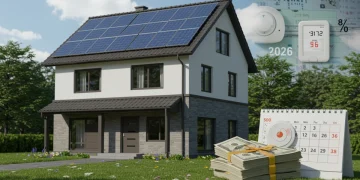
- Renewable Energy Systems: Installation of solar panels, small wind turbines, or geothermal heating and cooling systems often qualifies for significant grant support.
- Smart Home Technology: Programmable thermostats and energy management systems that optimize energy use.
It’s important to note that some grants may focus exclusively on one category of upgrade, while others offer a broader scope. For instance, a grant might specifically target low-income households for weatherization improvements, while another could be open to all homeowners installing solar panels.
Before beginning any work, it is essential to confirm that your planned upgrades align with the specific requirements of the grant program you intend to apply for. This due diligence ensures that your investment in energy efficiency will be recognized and supported by federal funds.
In summary, federal grants in 2026 cover a wide array of energy-efficient home upgrades, from basic insulation to advanced renewable energy installations. Homeowners should research specific program guidelines to ensure their chosen projects are eligible.
How to Apply: A Step-by-Step Guide to Securing Your Grant
Applying for federal grants for home energy efficiency in 2026 requires a structured approach to ensure all requirements are met and the application stands the best chance of approval. While each program has its nuances, a general step-by-step process can guide homeowners through the journey of securing up to $8,000 in funding.
The application process typically begins with research and ends with project completion and fund disbursement. Being organized and meticulous at each stage will streamline the experience and prevent common pitfalls that can delay or derail an application.
The Application Process Simplified
Following these steps can help you navigate the application process effectively:
- Research Available Programs: Start by identifying which federal grants align with your income, location, and planned energy upgrades. Resources like the Department of Energy’s website or state energy offices are excellent starting points.
- Review Eligibility Criteria: Carefully read the specific eligibility requirements for each grant. This includes income limits, property type, and the types of upgrades covered.
- Gather Required Documentation: Prepare all necessary paperwork, which may include proof of homeownership, income verification, utility bills, and quotes from certified contractors for the proposed work.
- Obtain an Energy Audit (If Required): Some grants necessitate a professional home energy audit to identify the most impactful upgrades and provide a baseline for energy savings.
- Complete the Application Form: Fill out the application accurately and completely. Pay close attention to all instructions and deadlines.
- Submit Your Application: Submit all documentation through the specified channels, whether online, by mail, or in person. Keep copies of everything for your records.
- Await Approval and Follow Up: After submission, monitor the application status and be prepared to provide additional information if requested.
It’s important to remember that some grants are awarded on a first-come, first-served basis, while others have specific application windows. Timeliness and thoroughness are key to a successful application.
In conclusion, applying for federal energy efficiency grants involves a systematic process from initial research to final submission. Diligence in understanding requirements and preparing documentation will significantly increase your chances of securing funding.
Maximizing Your Savings: Combining Grants with Other Incentives
While securing federal grants for home energy efficiency in 2026 can lead to substantial savings of up to $8,000, homeowners should also explore combining these grants with other available incentives. This multi-layered approach can further reduce out-of-pocket expenses and make energy-efficient upgrades even more accessible and affordable.
Beyond federal grants, a variety of state, local, and utility company programs often exist. These can include tax credits, rebates, and low-interest loans specifically designed to encourage energy conservation. Stacking these incentives strategically can lead to comprehensive financial relief.
Exploring Additional Savings Opportunities
To truly maximize your savings, consider these complementary programs:
- State and Local Programs: Many states and municipalities offer their own grants, tax credits, or rebates for specific energy-efficient upgrades. These often complement federal initiatives.
- Utility Company Rebates: Local utility providers frequently offer rebates for installing high-efficiency appliances, smart thermostats, or conducting home energy audits. Check your utility’s website for current offerings.
- Federal Tax Credits: The federal government also provides tax credits for certain energy-efficient home improvements, such as solar panels, energy-efficient windows, and insulation. These are different from grants but offer direct reductions in your tax liability.
- Energy-Efficient Mortgages (EEMs): For those purchasing or refinancing a home, EEMs allow borrowers to finance energy-efficient improvements into their mortgage with favorable terms.
- Property Assessed Clean Energy (PACE) Programs: Available in some areas, PACE programs allow property owners to finance energy efficiency and renewable energy improvements through a voluntary assessment on their property tax bill.
It is crucial to verify if a particular grant allows for combination with other incentives, as some programs may have restrictions. Always read the fine print and consult with a financial advisor or program administrator if you have questions about stacking benefits.
By diligently researching and applying for all eligible incentives, homeowners can significantly enhance the financial feasibility of their energy efficiency projects. This comprehensive strategy ensures that every possible avenue for savings is explored and utilized.
In conclusion, combining federal grants with state, local, and utility incentives, along with federal tax credits and specialized financing, can significantly maximize savings on home energy efficiency upgrades. A thorough investigation of all available options is highly recommended.

Common Pitfalls to Avoid When Applying for Grants
While the prospect of saving up to $8,000 through federal grants for home energy efficiency in 2026 is enticing, the application process can present challenges. Being aware of common pitfalls can help homeowners avoid delays, rejections, or missed opportunities. Proactive avoidance of these issues is as important as understanding the application steps themselves.
Many common mistakes stem from a lack of thoroughness or misunderstanding of program requirements. These can range from incomplete documentation to misinterpreting eligibility criteria, all of which can lead to frustration and wasted effort.
Mistakes to Sidestep in Your Grant Application
Keep these points in mind to ensure a smoother application experience:
- Incomplete Applications: Submitting an application with missing information or documents is a primary reason for rejection. Double-check every field and attachment.
- Missing Deadlines: Grant programs often have strict application periods. Missing a deadline, even by a day, can mean losing the opportunity for that cycle.
- Ignoring Eligibility Criteria: Applying for a grant for which you clearly do not qualify wastes both your time and the program administrators’. Verify eligibility thoroughly upfront.
- Lack of Proper Documentation: Failing to provide required proofs, such as income statements, utility bills, or contractor quotes, can halt your application. Ensure all documents are current and valid.
- Not Using Certified Contractors: Some grants mandate that work be performed by contractors certified in specific energy efficiency practices. Using an unapproved contractor can invalidate your grant.
- Misunderstanding Program Scope: Assuming all energy upgrades are covered by every grant can lead to disappointment. Confirm that your specific project is eligible for the chosen program.
It is also advisable to keep detailed records of all communications, application submissions, and supporting documents. This can be invaluable if questions or discrepancies arise during the review process.
Taking the time to review your application meticulously and ensuring full compliance with all guidelines will significantly improve your chances of success. A little extra effort at the outset can prevent major headaches down the line.
In summary, avoiding common pitfalls such as incomplete applications, missed deadlines, and overlooked eligibility criteria is crucial for successfully securing federal home energy efficiency grants. Diligence and attention to detail are paramount.
The Long-Term Impact of Energy Efficiency on Your Home and Wallet
Investing in home energy efficiency through federal grants in 2026 offers more than just immediate financial relief; it creates a ripple effect of long-term benefits for your home and personal finances. The initial savings of up to $8,000 are just the beginning of a journey toward sustainable living and enhanced property value. These upgrades are not merely expenses but strategic investments.
Over time, an energy-efficient home translates into significantly lower utility bills, increased comfort, and a reduced environmental footprint. These benefits contribute to a higher quality of life and a more resilient financial future for homeowners.
Sustainable Benefits Beyond the Initial Grant
Consider the lasting advantages of making your home energy efficient:
- Reduced Utility Costs: This is arguably the most direct and consistent long-term benefit. Lower heating, cooling, and electricity bills free up disposable income for other priorities.
- Increased Home Value: Energy-efficient homes are increasingly attractive to buyers, often commanding higher resale values and selling more quickly.
- Enhanced Comfort: Improved insulation, modern windows, and efficient HVAC systems eliminate drafts and maintain more consistent indoor temperatures, leading to greater comfort year-round.
- Environmental Stewardship: By consuming less energy, you contribute to a reduction in greenhouse gas emissions, playing a part in combating climate change.
- Improved Indoor Air Quality: Better insulation and air sealing can also reduce the infiltration of pollutants and allergens, leading to a healthier indoor environment.
- Energy Independence: For homes with renewable energy installations, there’s an increased sense of self-sufficiency and reduced vulnerability to energy price fluctuations.
The cumulative effect of these benefits extends far beyond the initial grant amount. Each energy-efficient upgrade contributes to a more sustainable, comfortable, and valuable home for years to come.
Moreover, as energy costs continue to rise, the financial advantages of an energy-efficient home will only become more pronounced. The initial investment, significantly subsidized by federal grants, yields continuous returns.
In summary, the long-term impact of federal grants for home energy efficiency extends beyond immediate savings, offering sustained reductions in utility costs, increased home value, enhanced comfort, and significant environmental benefits. These upgrades are investments that pay dividends for years.
| Key Program Aspect | Brief Description |
|---|---|
| Grant Opportunity | Federal grants available in 2026 for homeowners to improve energy efficiency. |
| Potential Savings | Homeowners can save up to $8,000 on eligible energy-efficient upgrades. |
| Eligible Upgrades | Covers insulation, windows, HVAC, water heaters, and renewable energy systems. |
| Application Process | Research, verify eligibility, gather documents, apply, and follow up for approval. |
Frequently asked questions about federal energy grants
Most federal energy efficiency grants primarily target owner-occupied single-family homes. However, some programs may extend eligibility to multi-family dwellings, manufactured homes, or even rental properties where landlords implement upgrades. Specific program guidelines will detail property type requirements.
Yes, in many cases, you can combine federal grants with state, local, or utility company incentives like tax credits or rebates to maximize your total savings. It is crucial to review the terms and conditions of each specific program, as some may have restrictions on stacking benefits.
Some federal energy efficiency grant programs do require a professional home energy audit as part of the application process. This audit helps identify the most impactful upgrades and provides a baseline for measuring energy savings. Always check the specific requirements of the grant you are interested in.
The timeframe for grant approval and fund disbursement can vary significantly depending on the specific program and the volume of applications. It can range from several weeks to a few months. It’s advisable to apply well in advance of your planned project start date and maintain communication with the program administrators.
No, not all federal energy efficiency grants have income limitations. While many programs, particularly those focused on weatherization, prioritize low-to-moderate income households, other grants are available to all homeowners, regardless of income, focusing solely on the type of energy-saving upgrade being implemented. Always check specific program guidelines.
Conclusion
The availability of federal grants for home energy efficiency in 2026 presents an unparalleled opportunity for homeowners to invest in their properties while significantly reducing energy costs and environmental impact. With potential savings of up to $8,000, these programs make crucial upgrades more accessible. By understanding eligibility, identifying eligible improvements, and meticulously navigating the application process, individuals can unlock substantial financial and environmental benefits, fostering a more sustainable and comfortable home for years to come. Proactive engagement with these resources is key to realizing their full potential.