Smart Device Security: 2026 Guide for Connected Homes
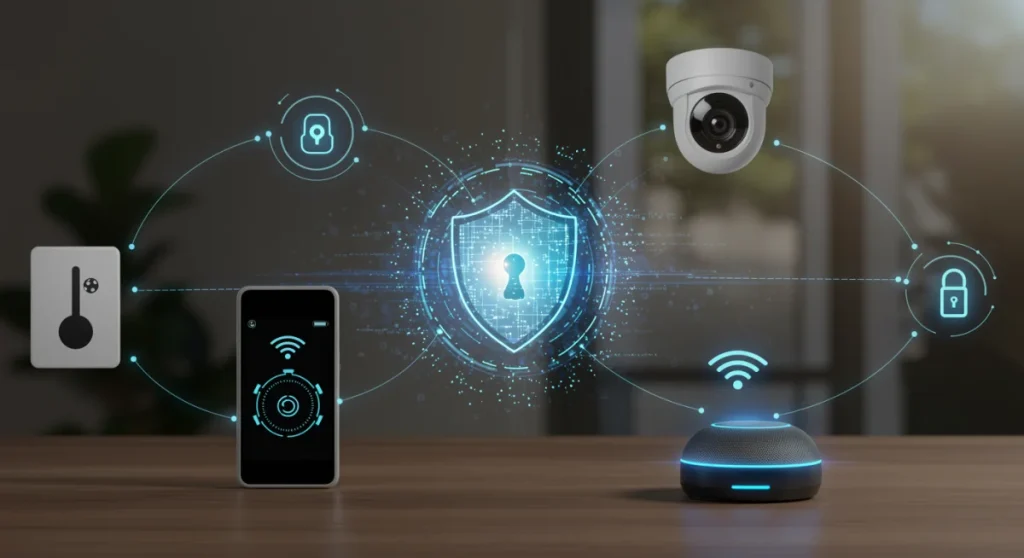
Understanding and implementing robust smart device security measures is crucial in 2026 to safeguard your connected home from cyber threats and maintain digital privacy.
Welcome to the future of home living, where convenience is king and connectivity is paramount. In 2026, our homes are more intelligent than ever, seamlessly integrating smart devices that manage everything from lighting and climate to security and entertainment. However, this interconnectedness, while offering unparalleled comfort, also introduces new vulnerabilities. Ensuring robust smart device security is no longer an option but a necessity. This comprehensive guide provides practical solutions to protect your connected home from evolving digital threats.
Understanding the evolving threat landscape in 2026
The rapid advancement of smart home technology has unfortunately been paralleled by an increase in sophisticated cyber threats. In 2026, attackers are more adept at exploiting vulnerabilities in connected devices, moving beyond simple hacks to more insidious forms of intrusion that can compromise privacy, steal data, and even disrupt daily life. Understanding these evolving threats is the first step toward effective defense.
From nation-state actors to individual opportunistic hackers, the motivations behind these attacks vary, but the impact on homeowners can be significant. This section delves into the common types of threats and how they manifest in the context of smart homes, preparing you for the challenges of today’s digital environment.
Common smart home vulnerabilities
- Weak default credentials: Many devices still ship with easily guessable factory usernames and passwords, which are rarely changed by users.
- Outdated software: Neglecting firmware updates leaves devices exposed to known exploits that manufacturers have patched.
- Insecure network protocols: Some smart devices use older, less secure communication protocols that can be intercepted.
- Lack of encryption: Data transmitted between devices or to cloud services may not always be adequately encrypted, making it vulnerable to eavesdropping.
Another significant vulnerability lies in the sheer volume of devices. Each new smart appliance or sensor adds an additional entry point for potential attackers, creating a complex web that is difficult to monitor without proper tools and knowledge. The interconnected nature means that compromising one device can potentially grant access to others, creating a domino effect.
Emerging cyber threats to connected homes
Beyond traditional hacking, 2026 sees the rise of highly targeted attacks. Phishing scams are becoming more sophisticated, often mimicking legitimate smart home app notifications or service provider alerts to trick users into revealing credentials. Ransomware, once primarily a threat to computers, is now being adapted for smart devices, potentially locking users out of their own homes or systems until a ransom is paid. The sheer volume of data collected by smart devices also makes them prime targets for data harvesting, which can be used for identity theft or targeted advertising without consent. Moreover, the increasing integration of AI into smart devices introduces new vectors for attack, where manipulated AI models could lead to system malfunctions or unauthorized actions.
In conclusion, the threat landscape for smart homes in 2026 is dynamic and multifaceted. It requires homeowners to be vigilant and proactive, moving beyond basic password protection to embrace a more holistic approach to security. Awareness of these threats is the cornerstone of building a resilient and secure smart home ecosystem.
Fortifying your home network: the first line of defense
Your home network acts as the central nervous system for all your smart devices. Securing it is the foundational step in protecting your entire connected ecosystem. A compromised network can expose every device connected to it, turning your smart home into an open book for intruders. In 2026, network security goes beyond just a strong Wi-Fi password; it involves a multi-layered approach that addresses various potential entry points.
Understanding the capabilities of your router and implementing best practices for network segmentation and monitoring are crucial. This section will guide you through the essential steps to create a robust and impenetrable home network, ensuring that your smart devices operate within a secure perimeter.
Router security best practices
- Change default credentials: Always change the default admin username and password for your router immediately after setup.
- Enable WPA3 encryption: Upgrade to the latest Wi-Fi Protected Access 3 (WPA3) encryption standard for stronger password protection and data privacy.
- Disable WPS (Wi-Fi Protected Setup): WPS can be vulnerable to brute-force attacks; it’s safer to disable it and manually connect devices.
- Regularly update firmware: Keep your router’s firmware updated to patch security vulnerabilities and improve performance.
Beyond these basic steps, consider segmenting your network. Creating a separate guest network for visitors is a good start, but for smart devices, a dedicated IoT network (VLAN) can provide an additional layer of isolation. This means if one smart device is compromised, the attacker won’t have direct access to your primary network where sensitive data might reside.
Implementing network segmentation and firewalls
Network segmentation involves dividing your home network into smaller, isolated segments. This is particularly effective for smart devices, which often have fewer security features than computers or smartphones. By placing IoT devices on their own segment, you limit their ability to interact with more sensitive parts of your network. Firewalls, whether built into your router or as a standalone device, play a critical role in controlling incoming and outgoing network traffic, blocking unauthorized access attempts. In 2026, advanced firewalls offer AI-driven threat detection, learning patterns of malicious activity and proactively blocking them before they can impact your devices.
It’s also advisable to invest in a router that offers advanced security features, such as intrusion detection systems (IDS) and intrusion prevention systems (IPS). These systems actively monitor network traffic for suspicious activity and can take action to block potential threats in real-time. Regularly reviewing your router’s logs can also provide insights into any unauthorized access attempts or unusual network behavior.
Ultimately, fortifying your home network is a continuous process. Regular review of settings, timely updates, and proactive monitoring are essential to maintaining a strong first line of defense against the ever-evolving cyber threats of 2026. A secure network ensures that all your smart devices are operating within a protected environment, enhancing your overall smart device security.
Securing individual smart devices: beyond the basics
While a strong network forms the perimeter, the security of individual smart devices is equally critical. Each device, from your smart thermostat to your video doorbell, presents its own set of vulnerabilities that must be addressed. Moving beyond the basic steps of changing default passwords, this section explores advanced strategies for securing each component of your connected home, ensuring comprehensive protection against cyber threats in 2026.
The sheer diversity of smart devices means that a one-size-fits-all approach is often insufficient. Understanding the specific security features and limitations of each device is key to implementing effective safeguards. This proactive stance helps to minimize the attack surface and prevent unauthorized access to your personal data and home environment.
Strong authentication and access control
- Unique, complex passwords: Use a password manager to generate and store unique, strong passwords for every smart device and associated app.
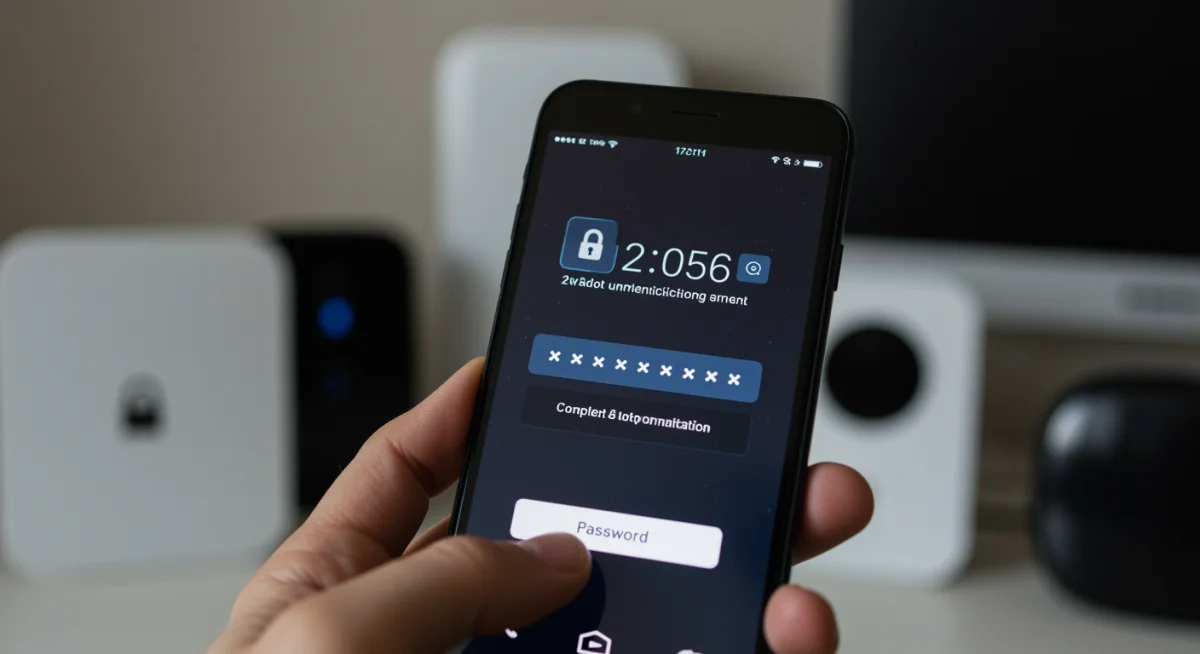
- Two-factor authentication (2FA): Enable 2FA wherever possible, adding an extra layer of security that requires a second verification step.
- Biometric authentication: Utilize fingerprint or facial recognition if available on your devices for enhanced access control.
- Regular password changes: Periodically update your passwords, especially for devices accessing sensitive information.
Beyond passwords, consider the principle of least privilege. Grant smart devices only the necessary permissions to function. For example, a smart light bulb doesn’t need access to your contacts or location data. Reviewing app permissions during setup and periodically thereafter is a crucial step in maintaining control over your data.
Regular software updates and patching
One of the most overlooked aspects of smart device security is diligently applying software and firmware updates. Manufacturers frequently release updates that include critical security patches for newly discovered vulnerabilities. Neglecting these updates leaves your devices exposed to known exploits. In 2026, many devices offer automatic updates, but it’s essential to verify that this feature is enabled and functioning correctly. For devices without automatic updates, make it a habit to check for new firmware versions regularly through the manufacturer’s website or app.
Furthermore, be wary of end-of-life (EOL) devices. When a manufacturer discontinues support for a device, it will no longer receive security updates, making it increasingly vulnerable over time. Plan to replace EOL devices to avoid creating security gaps in your smart home. Prioritizing updates and managing the lifecycle of your devices are vital components of maintaining robust smart device security.
Data privacy and protection in your connected home
In 2026, smart devices collect an unprecedented amount of personal data, from your daily routines and energy consumption to your conversations and facial recognition data. Protecting this information is paramount to maintaining your privacy and preventing misuse. This section delves into strategies for managing and safeguarding the sensitive data generated by your connected home, ensuring it remains private and secure.
Understanding where your data is stored, how it’s used, and who has access to it is fundamental. Proactive steps to encrypt data, review privacy policies, and manage permissions will empower you to take control of your digital footprint within your smart home.
Understanding data collection and usage
- Read privacy policies: Thoroughly review the privacy policies of smart device manufacturers and associated apps to understand what data they collect and how it’s used.
- Opt-out of data sharing: Where possible, opt out of data sharing with third parties, especially for marketing or analytics purposes.
- Review data retention policies: Understand how long your data is stored and if you have the option to request its deletion.
- Be mindful of voice assistants: Understand that voice assistants often record and store commands; review and delete these recordings periodically.
Many devices offer granular controls over data collection. Take the time to explore these settings within your device apps. For instance, some smart cameras allow you to define activity zones, reducing the amount of unnecessary footage recorded, while smart thermostats might offer privacy modes that limit data sharing during certain times.
Implementing encryption and secure cloud storage
Encryption is a critical tool for protecting your data, both in transit and at rest. Ensure that your smart devices use strong encryption protocols when communicating with each other, your home network, and cloud services. Look for devices that offer end-to-end encryption for sensitive data streams, such as video feeds from security cameras or personal health data from wearables integrated into your smart home.
When data is stored in the cloud, verify that the service provider uses robust encryption and adheres to strict security standards. Utilize strong, unique passwords for all cloud accounts and enable two-factor authentication. Regularly back up critical data to secure, encrypted storage solutions. In 2026, the emphasis is on decentralizing data where possible and maintaining local control over sensitive information, reducing reliance on single cloud providers. By taking these steps, you significantly enhance your data privacy and protection within your connected home, a vital aspect of comprehensive smart device security.
Proactive monitoring and incident response
Even with the best preventative measures, no system is entirely impervious to attack. Therefore, proactive monitoring and a clear incident response plan are essential components of a robust smart device security strategy in 2026. Being able to detect suspicious activity quickly and knowing how to react can significantly mitigate the impact of a security breach, protecting your data and your home.
This section will guide you through setting up monitoring tools, understanding alerts, and developing a step-by-step plan for responding to security incidents, ensuring you’re prepared for any eventuality in your connected home.
Setting up security monitoring tools
- Network monitoring software: Utilize tools that monitor network traffic for unusual patterns or unauthorized device connections.
- Device activity logs: Regularly check the activity logs provided by your smart devices and their associated apps for any suspicious entries.
- Security cameras with alerts: Configure smart cameras to send alerts for unusual motion or sound detection in critical areas.
- Smart home security hubs: Leverage integrated security hubs that can centralize alerts and provide a comprehensive overview of your home’s security status.
Consider investing in a dedicated smart home security system that offers professional monitoring. While this comes with a subscription cost, it provides an additional layer of vigilance, with experts ready to respond to detected threats. For the DIY approach, several open-source and commercial network monitoring tools can provide deep insights into your network’s health and activity.
Developing an incident response plan
A well-defined incident response plan can make all the difference when a security breach occurs. This plan should outline the specific steps to take, from identifying the compromised device to restoring normal operations. The first step is often to isolate the affected device from the network to prevent further spread of the intrusion. This might involve unplugging it or disabling its Wi-Fi connection.
Next, change all passwords associated with the device and any linked accounts. Document the incident, including the time, observed symptoms, and actions taken. Contact the device manufacturer’s support for guidance and report the incident to relevant authorities if personal data or financial information has been compromised. Finally, learn from the incident and implement additional security measures to prevent recurrence. Proactive monitoring combined with a solid incident response plan forms the backbone of effective smart device security in 2026, transforming potential disasters into manageable challenges.
Future-proofing your smart home security
The landscape of smart home technology and its associated security threats is constantly evolving. What is considered secure today may be vulnerable tomorrow. Therefore, future-proofing your smart home security strategy is not just about implementing current best practices but also about anticipating future challenges and adopting a mindset of continuous improvement and adaptation. This section explores strategies to keep your connected home secure against emerging threats and technological shifts in 2026 and beyond.
Staying informed about new security trends, embracing cutting-edge technologies, and making informed purchasing decisions will ensure your smart home remains a safe and private sanctuary for years to come.
Staying informed about new threats and technologies
- Follow cybersecurity news: Subscribe to reputable cybersecurity blogs and news outlets to stay updated on the latest threats and vulnerabilities.
- Join smart home security forums: Engage with online communities to learn from others’ experiences and share best practices.
- Attend webinars and workshops: Participate in educational events focused on smart home technology and security.
- Research new security features: Stay informed about new security features offered by device manufacturers and network providers.
Beyond news, consider the “security by design” principle when acquiring new devices. Prioritize manufacturers who demonstrate a strong commitment to security, offering regular updates, transparent privacy policies, and robust encryption. Avoid purchasing devices from unknown or untrusted sources, as they may harbor hidden vulnerabilities.
Embracing emerging security solutions
As threats evolve, so do security solutions. In 2026, we are seeing the rise of AI-powered security systems that can learn and adapt to new attack patterns, offering predictive threat intelligence. Blockchain technology is also beginning to find applications in smart home security, providing decentralized and immutable ledgers for device authentication and data integrity. Consider integrating these advanced solutions where feasible and budget allows.
Furthermore, explore privacy-enhancing technologies (PETs) that can help anonymize data and limit its exposure. Secure enclaves, which are isolated processing environments within devices, are also becoming more common, offering a higher level of protection for sensitive operations. By actively seeking out and adopting these emerging security solutions, you can significantly enhance your smart device security, ensuring your connected home remains resilient against future cyber challenges. Investing in continuous learning and technological upgrades is an investment in your long-term digital safety.
The human element: user awareness and best practices
Even the most sophisticated security technologies can be undermined by human error. The “human element” remains one of the most critical factors in smart device security. User awareness, adherence to best practices, and a healthy dose of skepticism are indispensable in maintaining a secure connected home. In 2026, cyber attackers frequently target individuals through social engineering, exploiting trust and lack of knowledge.
This section emphasizes the importance of educating yourself and your family members about common cyber threats and adopting secure habits that reinforce your technological defenses, creating a comprehensive and resilient security posture.
Educating yourself and your family
- Phishing awareness: Learn to identify phishing emails, texts, and fake notifications that attempt to steal credentials.
- Strong password habits: Instill the importance of unique, complex passwords and the use of password managers for all family members.
- Privacy settings review: Teach family members how to review and manage privacy settings on their own devices and connected apps.
- Suspicious activity reporting: Encourage everyone to report any unusual or suspicious behavior from smart devices or network activity.
Hold regular family discussions about online safety and smart home security. Make it a collaborative effort to maintain a secure environment. Children, in particular, should be educated on the dangers of sharing personal information online and interacting with unknown links or requests. Leading by example in your own digital habits is also highly effective.
Adopting secure daily habits
Beyond specific knowledge, adopting secure daily habits significantly strengthens your smart home’s defenses. Always think before you click on links or download attachments, even if they appear to come from a trusted source. Regularly review the permissions granted to smart device apps and revoke any unnecessary access. When disposing of old smart devices, perform a factory reset and securely wipe any stored data to prevent information leakage. Consider using a VPN (Virtual Private Network) when accessing your smart home remotely, especially over public Wi-Fi networks, to encrypt your connection.
Furthermore, be cautious about what information you share on social media, as attackers can use this data to craft more convincing social engineering attacks. A proactive and informed user is the strongest line of defense against cyber threats. By fostering a culture of security awareness and implementing these best practices, you empower yourself and your family to be active participants in maintaining robust smart device security in your connected home.
| Key Security Area | Brief Description |
|---|---|
| Network Hardening | Secure your router with strong WPA3, disable WPS, update firmware, and consider network segmentation. |
| Device-Specific Security | Implement unique passwords, 2FA, regular software updates, and manage permissions for each device. |
| Data Privacy Management | Review privacy policies, opt-out of data sharing, and ensure data encryption for all cloud services. |
| User Awareness | Educate family on phishing, strong password habits, and suspicious activity reporting. |
Frequently asked questions about smart device security
Smart device security is more critical in 2026 due to the increasing sophistication of cyber threats, the proliferation of interconnected devices, and the growing volume of sensitive personal data collected. Attackers are finding new ways to exploit vulnerabilities, making robust defenses essential for privacy and safety.
Network segmentation involves dividing your home network into isolated parts, often creating a separate segment for IoT devices. This is crucial because it limits an attacker’s access to your entire network if one smart device is compromised, preventing a widespread breach.
You should update your smart device firmware as soon as updates are available. Manufacturers frequently release updates that include critical security patches for newly discovered vulnerabilities. Enabling automatic updates where possible ensures your devices are always protected against the latest threats.
Voice assistants can pose security risks due to their constant listening capabilities and data collection. They often record and store commands, which could potentially be accessed or misused. Users should review privacy settings, delete recordings periodically, and understand the data usage policies of these devices.
If a smart device is compromised, immediately isolate it from your network by unplugging it or disabling its Wi-Fi. Change all associated passwords, document the incident, and contact the device manufacturer for support. Consider reporting the incident to relevant authorities if personal data was involved.
Conclusion
In 2026, the convenience and innovation offered by smart home technology are undeniable, but they come with a shared responsibility: maintaining robust smart device security. This guide has traversed the critical aspects of protecting your connected home, from fortifying your network and securing individual devices to safeguarding your data privacy and preparing for potential incidents. The evolving threat landscape demands a proactive, multi-layered approach, where technological defenses are complemented by vigilant user awareness and continuous adaptation. By embracing these practical solutions and staying informed, you can ensure your smart home remains a secure, private, and truly intelligent sanctuary for years to come, allowing you to enjoy the benefits of connectivity without compromising your peace of mind.