Federal Disaster Relief Programs 2026: 3-Step Guide
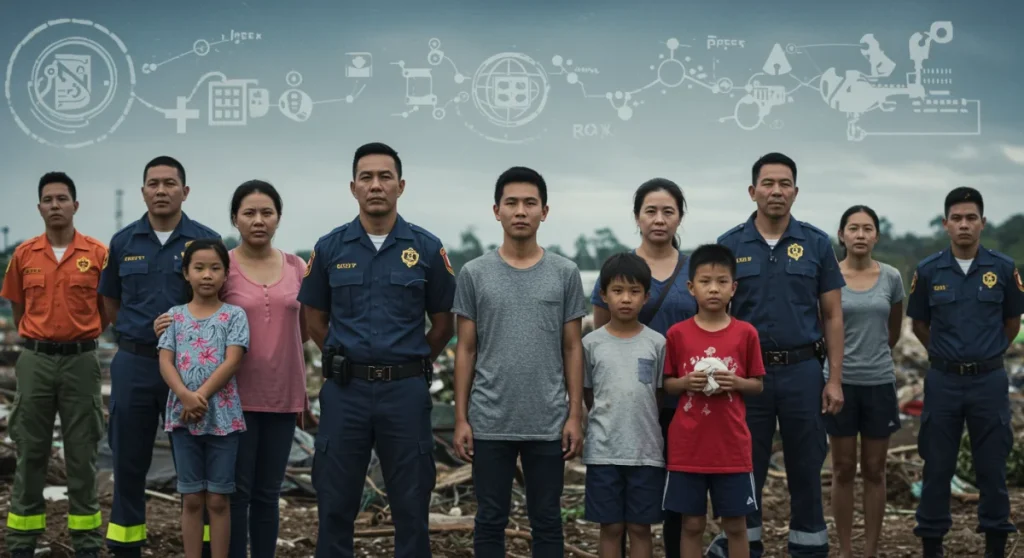
Understanding and accessing federal disaster relief programs 2026 is crucial for post-event recovery, providing a streamlined 3-step guide to navigate funds and secure essential aid for rebuilding.
When disaster strikes, the immediate aftermath can feel overwhelming. Yet, knowing how to access federal disaster relief programs 2026 is a critical first step towards recovery. This guide offers a clear, 3-step approach to understanding and utilizing post-event recovery funds, ensuring you’re prepared to navigate the complexities and secure the assistance you need to rebuild your life and community.
Understanding the Federal Disaster Declaration Process
The journey to accessing federal disaster relief funds begins with a formal disaster declaration. This crucial step, typically initiated by a state governor and approved by the President, unlocks a wide array of federal resources. Without this declaration, many avenues for assistance remain closed, making it the bedrock of any large-scale recovery effort.
Understanding the nuances of how and why a declaration is made can demystify the initial phase of disaster response. It’s not merely a bureaucratic formality; it’s a carefully considered decision based on the severity and impact of the event, ensuring that federal support is channeled where it’s most needed.
The Role of FEMA and Other Agencies
Once a federal disaster is declared, the Federal Emergency Management Agency (FEMA) becomes the primary coordinator of federal relief efforts. However, FEMA doesn’t act alone. A vast network of federal agencies contributes to the comprehensive response, each with specialized roles.
- FEMA: Coordinates federal response, provides individual and public assistance.
- Small Business Administration (SBA): Offers low-interest disaster loans for homeowners, renters, and businesses.
- Department of Housing and Urban Development (HUD): Provides housing recovery grants, often through Community Development Block Grants-Disaster Recovery (CDBG-DR).
- Department of Agriculture (USDA): Supports agricultural producers and rural communities affected by disasters.
These agencies work in concert to address various facets of disaster recovery, from immediate humanitarian aid to long-term economic rebuilding. Their coordinated efforts aim to provide a holistic support system for affected populations.
The declaration process is a testament to the federal government’s commitment to supporting its citizens in times of crisis. It activates a robust framework designed to mitigate suffering, facilitate recovery, and build resilience against future events. Being aware of this foundational step is vital for anyone seeking assistance.
Step 1: Assessing Your Eligibility and Initial Actions
The first concrete step in applying for federal disaster relief involves a thorough assessment of your eligibility and taking immediate, proactive measures. This phase is critical as it lays the groundwork for a successful application and ensures you don’t miss out on vital support. Eligibility criteria can vary significantly depending on the specific program and the nature of the disaster, so careful review is essential.
Understanding what constitutes an eligible loss or damage, and what documentation you’ll need, can save considerable time and stress later on. This initial assessment isn’t just about paperwork; it’s about strategizing your recovery efforts from the outset.
Documenting Damages and Losses
One of the most crucial initial actions is meticulously documenting all damages and losses. This includes taking photographs and videos of damaged property, creating detailed lists of destroyed or affected items, and retaining any relevant receipts or appraisals. The more comprehensive your documentation, the stronger your claim will be.
- Visual Evidence: Capture photos and videos from multiple angles, both close-up and wide shots.
- Detailed Inventories: List all damaged items, including estimated value and purchase date.
- Proof of Ownership/Residency: Gather deeds, leases, utility bills, and insurance policies.
- Repair Estimates: Obtain quotes from contractors for necessary repairs.
This evidence serves as tangible proof of your losses and is indispensable when applying for various federal programs. It helps assessors understand the full scope of the disaster’s impact on your life.
Beyond documentation, initial actions also include contacting your insurance provider. Federal assistance often acts as a supplement to, not a replacement for, insurance coverage. Understanding your policy and filing a claim promptly is a prerequisite for many federal programs. This proactive approach ensures that you’re prepared to navigate the application process efficiently and maximize your chances of receiving timely aid.
Step 2: Navigating the Application Process for Federal Funds
Once you’ve assessed your eligibility and gathered initial documentation, the next critical phase is navigating the application process itself. This step can seem daunting due to the various forms, deadlines, and specific requirements of each federal program. However, a systematic approach can significantly streamline your efforts and increase your chances of securing the needed recovery funds.
The key here is precision and persistence. Each program, whether from FEMA, the SBA, or other agencies, has its own application portal and set of instructions. Understanding these nuances from the start will prevent common pitfalls.
FEMA Individual Assistance Application
For many individuals and families, the first point of contact for federal assistance will be FEMA’s Individual Assistance (IA) program. This program provides financial help or direct services to those who have uninsured or underinsured necessary expenses and serious needs directly caused by a declared disaster.
- Online Registration: The easiest way to apply is through DisasterAssistance.gov.
- Phone Application: You can also call FEMA’s toll-free helpline.
- Required Information: Be prepared to provide personal details, insurance information, and a description of damages.
It’s crucial to file your FEMA application as soon as possible after a disaster declaration, as there are often deadlines. Even if you have insurance, applying to FEMA is often a necessary step, as they may cover expenses not typically covered by private policies.

For those with damages to their homes or businesses, the Small Business Administration (SBA) offers low-interest disaster loans. These are not just for businesses; homeowners and renters can also apply for loans to repair or replace damaged real estate and personal property. The SBA application process is separate from FEMA’s, though they often work in conjunction.
When applying for SBA loans, you will need detailed financial information and documentation of your losses. Even if you don’t think you can afford a loan, applying is often a necessary step to unlock other forms of federal aid. The application process, while comprehensive, is designed to ensure funds are distributed responsibly and effectively to support long-term recovery efforts.
Step 3: Post-Application Follow-Up and Appeals
After submitting your applications for federal disaster relief, the process doesn’t end. Step 3 involves proactive follow-up and understanding your options for appeals if your initial application is denied or the assistance offered is insufficient. This stage requires patience and diligence, as communication with federal agencies can sometimes be slow, but your persistence can significantly impact your recovery outcome.
It’s vital to keep detailed records of all communications, application numbers, and deadlines. This organized approach will be invaluable if you need to provide additional information or challenge a decision.
Responding to Requests for Additional Information
Federal agencies often require additional information or clarification during the review process. Promptly responding to these requests is crucial to avoid delays or potential denial of your application. These requests might involve:
- Damage Verification: Scheduling a home inspection with a FEMA adjuster.
- Proof of Loss: Submitting additional documentation of damages or expenses.
- Insurance Information: Providing updates on your insurance claims.
- Financial Details: Supplying further income or asset information for SBA loans.
Ignoring these requests can lead to your application being closed, so monitor your mail, email, and phone for any communications from FEMA, SBA, or other relevant agencies. Being responsive demonstrates your commitment to the process.
If your application for federal assistance is denied or you feel the amount offered is inadequate, you have the right to appeal. The appeal process typically involves submitting a written explanation detailing why you believe the decision should be reconsidered, along with any new supporting documentation. It’s important to understand the specific reasons for denial, which will be outlined in your denial letter, to effectively craft your appeal.
Appeals must be filed within a specific timeframe, usually 60 days from the date of the denial letter. Seeking assistance from legal aid organizations or disaster recovery centers can be beneficial during this complex stage. They can provide guidance on structuring your appeal and ensuring all necessary information is included, maximizing your chances of a favorable outcome in your pursuit of recovery funds.
Understanding Long-Term Recovery Programs and Resources
Beyond immediate aid, federal disaster relief programs extend into long-term recovery, focusing on rebuilding infrastructure, housing, and economic stability. These programs are often complex, requiring coordination between federal, state, and local governments, as well as non-profit organizations. Understanding these long-term resources is crucial for communities and individuals planning for sustainable recovery and resilience.
Long-term recovery is not a sprint; it’s a marathon that often involves years of effort. Knowing the various avenues available can help communities strategize their rebuilding efforts effectively.
Community Development Block Grants-Disaster Recovery (CDBG-DR)
A significant component of long-term recovery comes through the Department of Housing and Urban Development’s (HUD) Community Development Block Grants-Disaster Recovery (CDBG-DR) program. These grants are allocated to states and local governments to assist in disaster recovery, specifically for unmet needs not covered by other federal programs or insurance.
- Flexible Funding: Can be used for housing, infrastructure, and economic revitalization.
- Community-Driven: Funds are administered by local governments, allowing for tailored recovery plans.
- Focus on Low-Income Areas: Often prioritize assistance to low and moderate-income communities.
CDBG-DR funds are essential for large-scale projects, such as repairing public buildings, improving roads, and creating affordable housing, which are vital for a community’s return to normalcy.
The federal government also supports long-term recovery through programs aimed at hazard mitigation. These initiatives focus on reducing future disaster risks by funding projects like elevating homes, constructing protective barriers, and improving building codes. FEMA’s Hazard Mitigation Grant Program (HMGP) is a prime example, providing funding for states and local governments to implement long-term hazard reduction measures.
Additionally, various federal agencies offer technical assistance and planning support to communities undertaking long-term recovery. This includes expertise in urban planning, environmental restoration, and economic development, ensuring that rebuilding efforts are not only effective but also sustainable and resilient against future events. These comprehensive resources underscore a commitment to not just recover, but to recover stronger.
Building Resilience: Preparing for Future Disasters in 2026
While federal disaster relief programs are vital for post-event recovery, an equally crucial aspect is building resilience and preparing for future disasters. In 2026, with evolving climate patterns and increasing environmental risks, proactive preparedness is no longer optional but a necessity. This involves individual, community, and governmental efforts to mitigate risks, educate the public, and establish robust emergency response frameworks.
Preparation reduces the impact of future events, lessens the strain on federal resources, and accelerates recovery. It’s an investment in safety and stability.
Individual and Family Preparedness
At the individual level, preparedness starts with creating a family emergency plan and building a disaster kit. These fundamental steps can make a significant difference in the immediate aftermath of an event, ensuring personal safety and self-sufficiency until help arrives.
- Emergency Kit: Stock non-perishable food, water, first-aid, medications, and essential documents.
- Family Plan: Establish meeting points, communication strategies, and out-of-state contacts.
- Stay Informed: Sign up for local emergency alerts and understand evacuation routes.
Regularly reviewing and updating these plans and kits is essential, as circumstances and needs can change over time. Being prepared empowers individuals to take control during chaotic situations.
Community resilience involves a broader scope, encompassing local government initiatives, public education campaigns, and infrastructure improvements. Cities and towns are increasingly investing in resilient infrastructure, such as improved drainage systems, reinforced buildings, and early warning systems. These investments are critical in minimizing damage and protecting lives when disasters strike. Furthermore, community-wide drills and public awareness campaigns help to foster a culture of preparedness, ensuring that residents know how to respond effectively.
From a governmental perspective, ongoing research into disaster patterns, improved forecasting technologies, and adaptive policy-making are key to building national resilience. This includes funding for scientific research, implementing stricter building codes in high-risk areas, and developing innovative solutions for disaster response and recovery. The goal is to create a multi-layered defense against the unpredictable forces of nature, ensuring that communities are not just able to recover, but thrive in the face of adversity.
Innovations in Disaster Relief Technology and Policy
The landscape of federal disaster relief programs in 2026 is continually shaped by advancements in technology and evolving policy frameworks. These innovations are designed to make disaster response more efficient, recovery more equitable, and future preparedness more effective. From AI-driven damage assessments to improved communication networks, technology plays an increasingly vital role in how we respond to and recover from catastrophic events.
Staying abreast of these changes is crucial for both government agencies and affected populations, as they can significantly impact the speed and quality of assistance available.
AI and Data Analytics for Rapid Assessment
One of the most significant technological advancements is the integration of Artificial Intelligence (AI) and data analytics into disaster assessment. AI-powered tools can rapidly analyze satellite imagery, drone footage, and social media data to provide near real-time damage assessments, allowing relief efforts to be deployed more strategically.
- Faster Damage Mapping: AI algorithms quickly identify affected areas and infrastructure.
- Resource Allocation: Data analytics helps optimize the deployment of personnel and supplies.
- Predictive Modeling: AI can forecast potential secondary impacts, such as flood risks or infrastructure failures.
This rapid assessment capability means that federal disaster relief efforts can be initiated and targeted with unprecedented speed and accuracy, reducing delays in getting help to those who need it most.
Policy innovations are also critical in adapting federal disaster relief programs to contemporary challenges. This includes developing more inclusive eligibility criteria to ensure underserved communities receive equitable assistance and streamlining bureaucratic processes to reduce administrative burdens on survivors. For example, policies that allow for pre-disaster declarations or provide more flexible funding mechanisms are being explored to expedite aid delivery.
Furthermore, there’s an increasing emphasis on integrating climate change considerations into disaster planning and recovery policies. This involves funding for climate-resilient infrastructure projects and incentivizing communities to adopt sustainable rebuilding practices. These technological and policy innovations collectively aim to create a more responsive, efficient, and forward-looking federal disaster relief system, better equipped to handle the complexities of future crises.
| Key Point | Brief Description |
|---|---|
| Disaster Declaration | The essential first step, unlocking federal resources coordinated by FEMA and other agencies. |
| Eligibility & Documentation | Crucial for assessing personal eligibility and meticulously documenting all damages and losses. |
| Application Process | Navigating FEMA and SBA applications, being precise and persistent with requirements and deadlines. |
| Follow-Up & Appeals | Essential for responding to requests and understanding options if initial applications are denied. |
Frequently Asked Questions About Federal Disaster Relief
A federal disaster declaration, issued by the President, formally recognizes that an event is beyond the capabilities of state and local governments. This declaration is critical as it unlocks federal funds and resources from agencies like FEMA, SBA, and HUD, enabling comprehensive recovery efforts for individuals and communities.
Eligibility varies by program but generally includes homeowners, renters, and business owners in federally declared disaster areas who have uninsured or underinsured losses. Criteria often consider income, property damage severity, and residency, requiring careful documentation to prove needs and losses.
Federal disaster relief offers diverse assistance, including financial aid for housing repairs, temporary lodging, and essential personal property replacement through FEMA. The SBA provides low-interest loans for property and business damage, while HUD offers grants for community-wide rebuilding and infrastructure projects.
It is crucial to apply for federal disaster relief as soon as possible after a federal declaration. Many programs, especially FEMA’s Individual Assistance, have strict deadlines, typically within 60 days of the declaration. Prompt application ensures you adhere to timelines and expedite your recovery process.
If your application is denied, you have the right to appeal the decision. You must submit a written appeal within a specified timeframe, usually 60 days, explaining why you believe the decision should be reconsidered and providing any new supporting documentation. Seek guidance from disaster recovery centers if needed.
Conclusion
Navigating federal disaster relief programs 2026 requires a clear understanding of the 3-step process: assessing eligibility, diligently applying for funds, and proactively following up. From the initial disaster declaration to long-term recovery efforts, these programs are designed to provide crucial support to individuals and communities impacted by unforeseen events. By leveraging available resources and embracing preparedness, we can collectively foster greater resilience and ensure a more effective response to future challenges, ultimately rebuilding stronger and smarter.