U.S. Tariff Adjustments 2025: Impact on Consumer Goods Prices by 5%
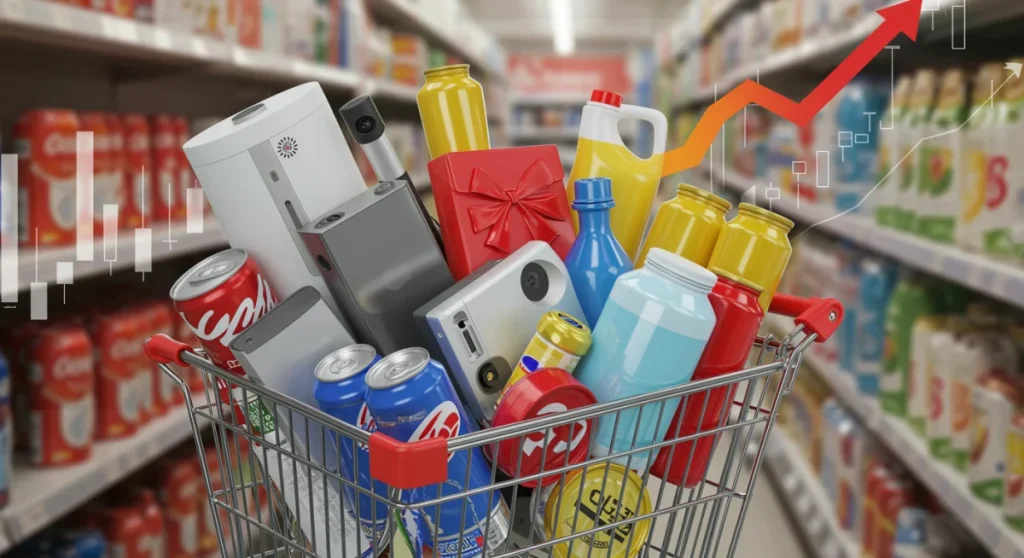
Upcoming U.S. tariff adjustments in February 2025 are predicted to increase consumer goods prices by approximately 5%, affecting household budgets and the broader economy, necessitating strategic financial planning.
The impending U.S. tariff adjustments on key imports, slated for February 2025, are poised to reshape the economic landscape for American consumers and businesses. This significant policy shift is projected to lead to an average increase of 5% in consumer goods prices, a development that warrants close attention from every household. Understanding the nuances of these changes is crucial for navigating the financial implications ahead.
Understanding the New Tariff Landscape
The U.S. government’s decision to implement new tariff adjustments in February 2025 marks a pivotal moment in international trade policy. These adjustments, targeting a range of key imports, are designed to achieve specific economic objectives, yet their ripple effects are expected to reach far and wide, directly influencing the cost of everyday consumer goods. It’s essential to delve into the specifics of these tariffs to grasp their potential impact.
What Are Tariffs and Why Are They Being Adjusted?
Tariffs are essentially taxes imposed on imported goods and services. They serve various purposes, including protecting domestic industries from foreign competition, generating revenue for the government, or as a tool in international trade negotiations. The upcoming adjustments are reportedly aimed at rebalancing trade relationships and fostering domestic production in strategic sectors. This re-evaluation of trade practices reflects a broader trend towards economic nationalism and a desire to strengthen the U.S. manufacturing base.
- Revenue Generation: Tariffs can provide a direct source of income for the federal budget.
- Domestic Industry Protection: Higher import costs can make domestically produced goods more competitive.
- Trade Negotiation Leverage: Tariffs are often used as bargaining chips in international discussions.
- National Security Concerns: Tariffs might be applied to goods from countries deemed a national security risk.
The specific product categories targeted by these new tariffs include, but are not limited to, certain electronics, apparel, automotive parts, and various household items. This broad scope ensures that a significant portion of the consumer market will feel the effects. While the underlying motivations for these adjustments are complex, their direct consequence on consumer spending power is straightforward and immediate.
Ultimately, these adjustments are a strategic move by the U.S. administration to address long-standing trade imbalances and promote what it views as fair trade practices. However, the economic models predict a direct pass-through of these increased costs to consumers, leading to the anticipated 5% rise in prices for affected goods. This makes understanding the scope and intent of these tariffs paramount for both businesses and individuals.
Direct Impact on Consumer Goods Prices
The most immediate and tangible consequence of the February 2025 tariff adjustments will be the projected 5% increase in consumer goods prices. This isn’t just an abstract economic figure; it translates into real-world cost increases for a multitude of products that Americans purchase daily. From electronics to clothing, and even some food items, the price tags are expected to reflect these new trade policies.
How the 5% Increase Will Manifest
When tariffs are imposed on imported goods, the cost for importers rises. These businesses typically absorb some of the cost, but a significant portion is usually passed on to the retailers, and subsequently, to the end consumer. This cascading effect is what leads to higher retail prices. For instance, a smartphone that previously cost $1000 might now retail for $1050, assuming a direct 5% increase. While individual price hikes might seem small for some items, their cumulative effect across a household budget can be substantial.
- Electronics: Expect higher prices for smartphones, laptops, televisions, and other gadgets.
- Apparel and Footwear: Clothing, shoes, and accessories imported from affected regions will likely see price increases.
- Home Goods: Furniture, appliances, and various household items could become more expensive.
- Certain Food Products: Depending on specific import categories, some food items may also experience price adjustments.
This 5% increase is an average projection, meaning some categories might see higher hikes, while others might experience slightly less. The exact impact will depend on the elasticity of demand for particular products, the competitive landscape within those markets, and the ability of businesses to find alternative sourcing or absorb costs. However, the general trend indicates a widespread upward pressure on prices, making careful budgeting more important than ever.
The direct consequence of these tariffs on consumer goods prices is a crucial factor for families and individuals across the U.S. to consider. It highlights the interconnectedness of global trade policies and everyday economic realities, reinforcing the need for consumers to be informed and prepared for potential shifts in their purchasing power.
Economic Implications for U.S. Households
Beyond the immediate price increases, the U.S. tariff adjustments of February 2025 carry broader economic implications for households across the nation. The projected 5% rise in consumer goods prices is not an isolated event; it intertwines with existing economic conditions, potentially affecting inflation, disposable income, and overall consumer confidence. Understanding these wider ramifications is key to grasping the full picture.
Disposable Income and Purchasing Power
A 5% increase in the cost of essential and discretionary goods means that consumers will effectively have less disposable income. For families operating on tight budgets, this could necessitate difficult choices, potentially leading to reduced spending on non-essential items or even a need to adjust savings plans. The purchasing power of the dollar will diminish for affected goods, meaning consumers can buy less with the same amount of money. This can create a domino effect, impacting various sectors of the economy.
Furthermore, the tariffs could contribute to inflationary pressures. If the cost of imported components for domestically manufactured goods also rises, it could lead to increased production costs for U.S. companies, which might then pass those costs on to consumers, further fueling inflation. This scenario could create a challenging economic environment where wages struggle to keep pace with rising living costs.
The economic implications extend to consumer confidence. If households perceive a sustained period of rising prices and reduced purchasing power, it can dampen their willingness to spend, invest, or take on new financial commitments. This cautious approach can slow down economic growth and create uncertainty in the market. Therefore, the ripple effect of these tariff adjustments reaches far beyond just the price tags on store shelves.
In essence, while the tariffs aim for specific trade objectives, their broader economic impact on U.S. households will be a critical factor to monitor. The interplay of reduced disposable income, potential inflation, and shifting consumer sentiment will shape the financial landscape for many Americans in the coming years.
Industry-Specific Challenges and Opportunities
The U.S. tariff adjustments in February 2025 will not impact all industries equally. While some sectors will undoubtedly face significant challenges due to increased import costs, others may find unexpected opportunities for growth and innovation. Analyzing these industry-specific dynamics is crucial for businesses to strategize effectively and for consumers to understand potential shifts in product availability and quality.
Sectors Facing Headwinds
Industries heavily reliant on imported components or finished goods, such as consumer electronics, apparel manufacturing, and certain segments of the automotive industry, are likely to experience the most significant headwinds. These businesses will need to decide whether to absorb the increased tariff costs, pass them on to consumers, or explore alternative supply chains. Each option presents its own set of risks and challenges, potentially leading to reduced profit margins or a loss of market share if competitors can adapt more effectively.
- Electronics Manufacturers: Higher costs for components could reduce competitiveness or increase end-product prices.
- Fashion Retailers: Reliance on overseas manufacturing means direct exposure to increased import duties.
- Automotive Parts Suppliers: Tariffs on specific parts could disrupt production and raise vehicle costs.
The pressure to maintain competitive pricing while facing higher input costs can be intense, potentially leading to consolidation in some industries or a shift in manufacturing locations. Businesses unable to adapt swiftly may struggle to remain viable in the new tariff environment.
Potential for Domestic Growth and Innovation
Conversely, the tariffs could create a protective barrier for domestic industries, making locally produced goods more competitive. This might incentivize U.S. companies to increase production, invest in new technologies, and expand their workforce. Sectors like advanced manufacturing, certain agricultural products, and specialized services could see a resurgence as the cost advantage of imports diminishes. This could foster innovation as companies seek to optimize production processes and reduce reliance on foreign inputs.
Ultimately, the tariff adjustments will act as a catalyst for change across various industries. While some will grapple with increased costs and supply chain disruptions, others may seize the opportunity to strengthen domestic production and enhance their competitive edge. The long-term success of these shifts will depend on how effectively businesses and policymakers respond to the evolving trade landscape.
Strategic Responses for Businesses and Consumers
Given the projected 5% increase in consumer goods prices due to the February 2025 U.S. tariff adjustments, both businesses and consumers must develop strategic responses to mitigate negative impacts and adapt to the new economic reality. Proactive planning and informed decision-making will be crucial for navigating these changes successfully.
Business Strategies for Adaptation
For businesses, the primary challenge will be to manage increased costs while maintaining market competitiveness. This may involve a multi-faceted approach:
- Supply Chain Diversification: Exploring new sourcing options from countries not subject to the tariffs, or increasing domestic procurement.
- Cost Optimization: Implementing efficiency improvements in production, logistics, and operations to offset rising import costs.
- Negotiation with Suppliers: Renegotiating terms with existing suppliers to share the burden of increased tariffs.
- Product Repositioning: Focusing on higher-value products or services where the tariff impact can be more easily absorbed or justified by consumers.
- Investment in Domestic Production: For some, the tariffs might accelerate plans to bring manufacturing back to the U.S. or expand existing domestic facilities.
Businesses will also need to communicate transparently with their customers about price changes, explaining the reasons behind them to maintain trust and loyalty. Those that can innovate in their supply chains and operational efficiencies will be better positioned to thrive.
Consumer Strategies for Resilience
Consumers, on the other hand, will need to adjust their spending habits and financial planning. Strategies for individuals and households include:
- Budget Re-evaluation: Revisiting household budgets to account for higher prices on essential goods and services.
- Smart Shopping: Becoming more discerning shoppers, comparing prices, and seeking out sales or alternative brands.
- Prioritizing Purchases: Delaying non-essential purchases or opting for more durable goods that offer long-term value.
- Supporting Domestic Products: Where possible, choosing domestically produced goods that may be less affected by tariffs.
- Building Emergency Savings: Strengthening financial safety nets to absorb unexpected cost increases without undue stress.
By adopting these proactive strategies, both businesses and consumers can better navigate the economic shifts brought about by the U.S. tariff adjustments, fostering resilience and adaptability in a changing global trade environment.
Global Trade Relations and Future Outlook
The U.S. tariff adjustments scheduled for February 2025 are not just an internal economic matter; they represent a significant move within the broader context of global trade relations. These policy shifts can trigger retaliatory measures from affected countries, leading to complex geopolitical dynamics and influencing the future trajectory of international commerce. Understanding these global implications is essential for a comprehensive outlook.
Potential for Retaliatory Tariffs
One of the most immediate concerns arising from unilateral tariff adjustments is the potential for retaliatory tariffs from countries whose exports are targeted. Such measures could escalate trade disputes, leading to a tit-for-tat exchange that ultimately harms global trade volumes and economic growth. Businesses operating in multiple international markets could face increased uncertainty and operational complexities as they navigate a fragmented trade landscape.
These retaliatory tariffs could impact U.S. exports, making American goods more expensive in foreign markets and potentially harming industries that rely heavily on international sales, such as agriculture or specialized manufacturing. This could offset some of the intended benefits of the initial U.S. tariffs, creating a net negative effect on overall economic welfare.
Long-Term Trade Policy Evolution
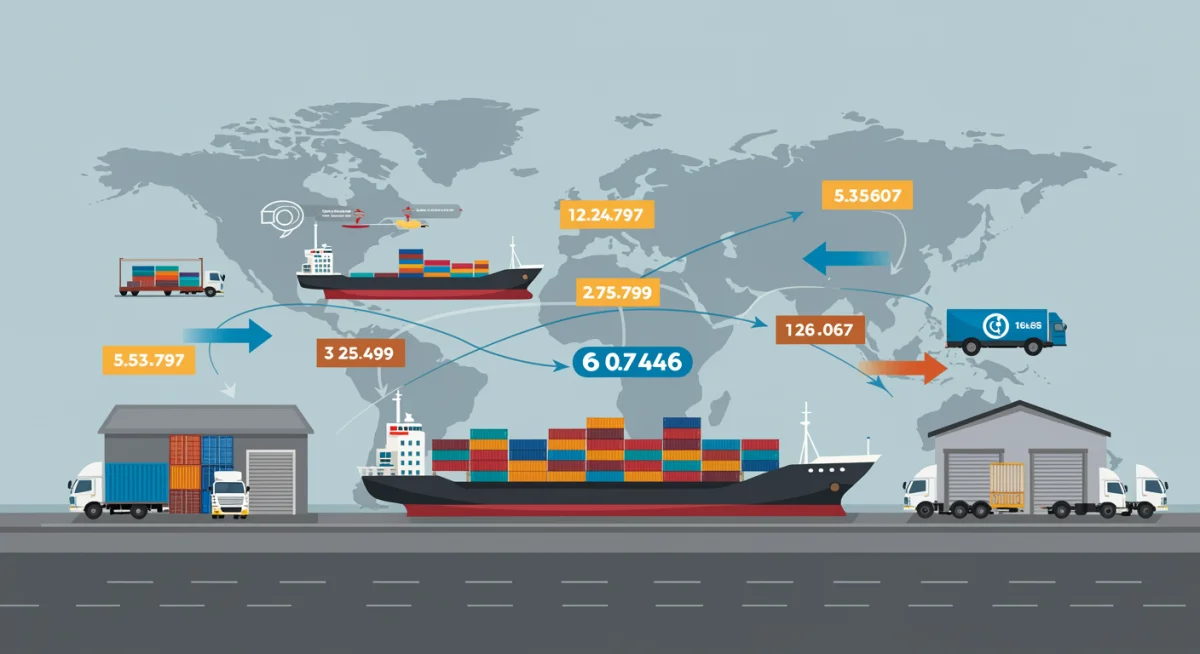
The February 2025 adjustments might also signal a more permanent shift in U.S. trade policy, moving towards greater protectionism or a re-evaluation of established trade agreements. This could lead to a restructuring of global supply chains, with companies seeking to regionalize production or diversify their manufacturing bases to reduce exposure to geopolitical risks. The long-term outlook suggests a more cautious and strategic approach to international trade, prioritizing national interests and economic resilience.
- Regionalization of Supply Chains: Companies might favor sourcing from neighboring countries or within their own economic blocs.
- Increased Bilateral Agreements: A potential shift away from multilateral trade frameworks towards more specific country-to-country deals.
- Focus on Critical Goods: Greater emphasis on securing domestic production or reliable sources for essential goods like semiconductors or pharmaceuticals.
The global trade environment is constantly evolving, and the upcoming U.S. tariff adjustments are a significant factor in this evolution. Their impact will extend beyond domestic price changes, shaping international relations and influencing how goods and services flow across borders for years to come. Businesses and policymakers alike will need to monitor these developments closely to adapt and thrive in an increasingly complex global economy.
Preparing for the February 2025 Changes
As the February 2025 deadline for U.S. tariff adjustments approaches, proactive preparation becomes paramount for both businesses and individual consumers. The projected 5% increase in consumer goods prices necessitates a strategic approach to financial planning and operational adjustments. Being informed and taking concrete steps now can significantly mitigate potential negative impacts and foster greater economic resilience.
Steps for Consumers to Take Now
For consumers, preparing for higher prices involves a combination of financial prudence and informed purchasing decisions. Begin by conducting a thorough review of your household budget to identify areas where spending can be optimized or reduced. Consider delaying large discretionary purchases that might be significantly affected by the tariffs until after an initial assessment of the market impact.
- Review and Adjust Budget: Identify categories where spending can be reduced to accommodate higher prices.
- Monitor News and Price Trends: Stay informed about which specific goods are most affected and track their price movements.
- Prioritize Needs vs. Wants: Focus spending on essential items and reconsider non-essential purchases.
- Explore Domestic Alternatives: Research if comparable domestically produced goods are available and cost-effective.
- Build Savings: Increase emergency funds to provide a buffer against unexpected cost increases.
Additionally, consider locking in prices for certain services or long-term contracts where possible, before potential inflationary pressures take full effect. Being a savvy shopper, utilizing sales, and buying in bulk for non-perishable items can also help stretch your dollar further.
Business Readiness and Mitigation
Businesses, especially those in affected sectors, should be actively engaging in scenario planning and risk assessment. This includes stress-testing their balance sheets against various tariff impact scenarios and developing contingency plans for supply chain disruptions. Engaging with trade associations and legal counsel to understand the specific implications for their operations is also critical.
Furthermore, businesses should explore technological solutions that can improve efficiency and reduce production costs, thereby offsetting some of the tariff-induced increases. Communicating openly with stakeholders, including investors, employees, and customers, about their preparedness strategies can build confidence and manage expectations. The goal is to minimize disruption and maintain continuity of service and product availability while adapting to the new cost structures.
By taking these preparatory steps, both individuals and enterprises can navigate the upcoming U.S. tariff adjustments with greater confidence and strategic foresight, turning potential challenges into opportunities for adaptation and growth.
| Key Impact Area | Brief Description |
|---|---|
| Consumer Prices | Projected 5% increase on various consumer goods due to new tariffs. |
| Household Budgets | Reduced disposable income and increased cost of living for American families. |
| Business Operations | Challenges in supply chain management and potential for strategic sourcing shifts. |
| Global Trade | Potential for retaliatory tariffs and shifts in international trade relationships. |
Frequently Asked Questions About Tariff Adjustments
While the exact list is still being finalized, initial indications suggest that electronics, apparel, select automotive parts, and various household items will be primary targets. Consumers should anticipate price increases across a broad spectrum of imported consumer products, impacting everyday purchases and budgeting.
A 5% increase on consumer goods means less disposable income. For a household spending $500 monthly on affected goods, this translates to an extra $25 per month, or $300 annually. Over time, these cumulative costs can significantly strain budgets, especially for essential items.
Some businesses might absorb a portion of the tariff costs to remain competitive, but it’s often unsustainable long-term. Most will eventually pass on at least some of the increased expenses to consumers through higher prices, especially if their profit margins are already tight or if tariffs are substantial.
Long-term effects could include increased domestic production, diversification of global supply chains, and potential shifts in international trade relationships. There’s also a risk of sustained inflationary pressures and reduced consumer purchasing power if not managed effectively through strategic policies and business adaptations.
Consumers can prepare by reviewing budgets, prioritizing essential purchases, seeking out sales or domestic alternatives, and building emergency savings. Staying informed about specific product categories affected and adapting spending habits strategically will be key to mitigating the financial impact.
Conclusion
The impending U.S. tariff adjustments in February 2025 represent a significant shift in trade policy, with a projected 5% increase in consumer goods prices poised to impact households and businesses nationwide. While these tariffs aim to achieve specific economic objectives, their ripple effects on disposable income, inflation, and global trade relations cannot be overstated. Proactive measures, including strategic financial planning for consumers and adaptive supply chain management for businesses, will be essential for navigating this evolving economic landscape. Staying informed and making deliberate choices will empower individuals and enterprises to mitigate challenges and identify potential opportunities in the wake of these important changes.

Autor